Suntec City Office Towers: Digital Twin & Smart ACMV
Digital twin integration and smart ACMV controls for a Singapore Grade-A commercial landmark, the first for Suntec City.
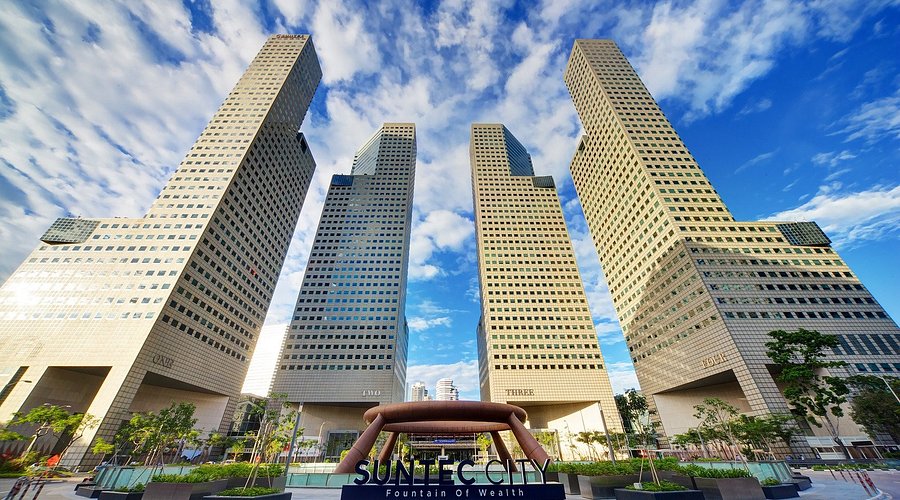
Digital twin integration and smart ACMV design for the upgrading of Suntec City Office Towers: six systems covering occupant-centric dynamic airflow control, predictive ML temperature optimisation, CO₂-driven demand-controlled ventilation, climate compensation, and a unified IT/OT framework delivering real-time operational intelligence. First digital twin integration for the landmark development, delivered as a live retrofit without disrupting tenanted operations. BMS integration across AHU, VAV boxes, and Energy Valves on an open protocol platform with a live operations dashboard.
How the systems come together.
Digital Twin, Live Operations Dashboard
Every subsystem feeds one real-time operational and enterprise data model, open-protocol, viewable from a single live dashboard.
Suntec City Office Towers required an ACMV upgrade that went beyond mechanical plant replacement: the project scope included integrating smart controls, predictive analytics, and a Digital Twin framework into a live Grade-A commercial building with diverse existing BMS infrastructure. The design had to optimise occupant comfort and energy performance across multiple tenanted floors without disrupting building operations.
Led digital and IoT systems design, working alongside Meinhardt's MEP team. Specified occupant-centric dynamic airflow balancing with remote zone monitoring. Designed predictive ML algorithms for temperature capacity optimisation, redirecting conditioned air to spaces requiring it most. Integrated indoor CO₂ monitoring for demand-controlled ventilation. Implemented climate compensation control using real-time weather data. Designed the Digital Twin framework integrating IT and OT systems into a unified operational and enterprise data model. Delivered BMS integration across AHU, VAV boxes, and Energy Valves through an open protocol platform with a centralised live operations dashboard.
First digital twin integration for Suntec City delivered on schedule. Predictive ML optimisation enabled targeted airflow management reducing energy consumption across tenanted floors. Real-time operational visibility established across all building systems. Retrofit delivered without operational disruption to tenants, proof that IT/OT convergence in Singapore doesn't require a new building, only a shared data layer over the one already standing.
Adding intelligence to existing building infrastructure (rather than replacing it) is the more commercially important challenge. The same applies to any operational environment: before buying new tools, establish what your existing systems already know, what they cannot see, and where a shared data layer closes the gap. The integration architecture creates the value; the sensors and actuators are inputs to it.
Digital Twin Sustainability Architecture
Real-time sustainability and energy intelligence dashboard for Suntec City Office Towers: demonstrating weather-adjusted chiller COP, energy use intensity, CO₂-driven demand-controlled ventilation, and AI demand response across six zones with 800 IoT sensors and SP Marina Bay district cooling integration.
●Live Demo: AI Sustainability Dashboard →Kok, T. (2026). Suntec City Office Towers: Digital Twin & Smart ACMV [Case study]. terencekok.com. https://terencekok.com/projects/suntec-city-digital-twin/
The same diagnostic logic from deployments like this one, applied to your business in half a day.
Book the WorkshopDiscuss a similar programme- Suntec City: Singapore Grade-A commercial and retail landmark; one of Singapore's most recognised mixed-use developments
- Employer testimonial letter from Meinhardt SUIT Pte Ltd (Managing Director, July 2025) naming this project available to procurement teams on request; not published online
Other case studies.
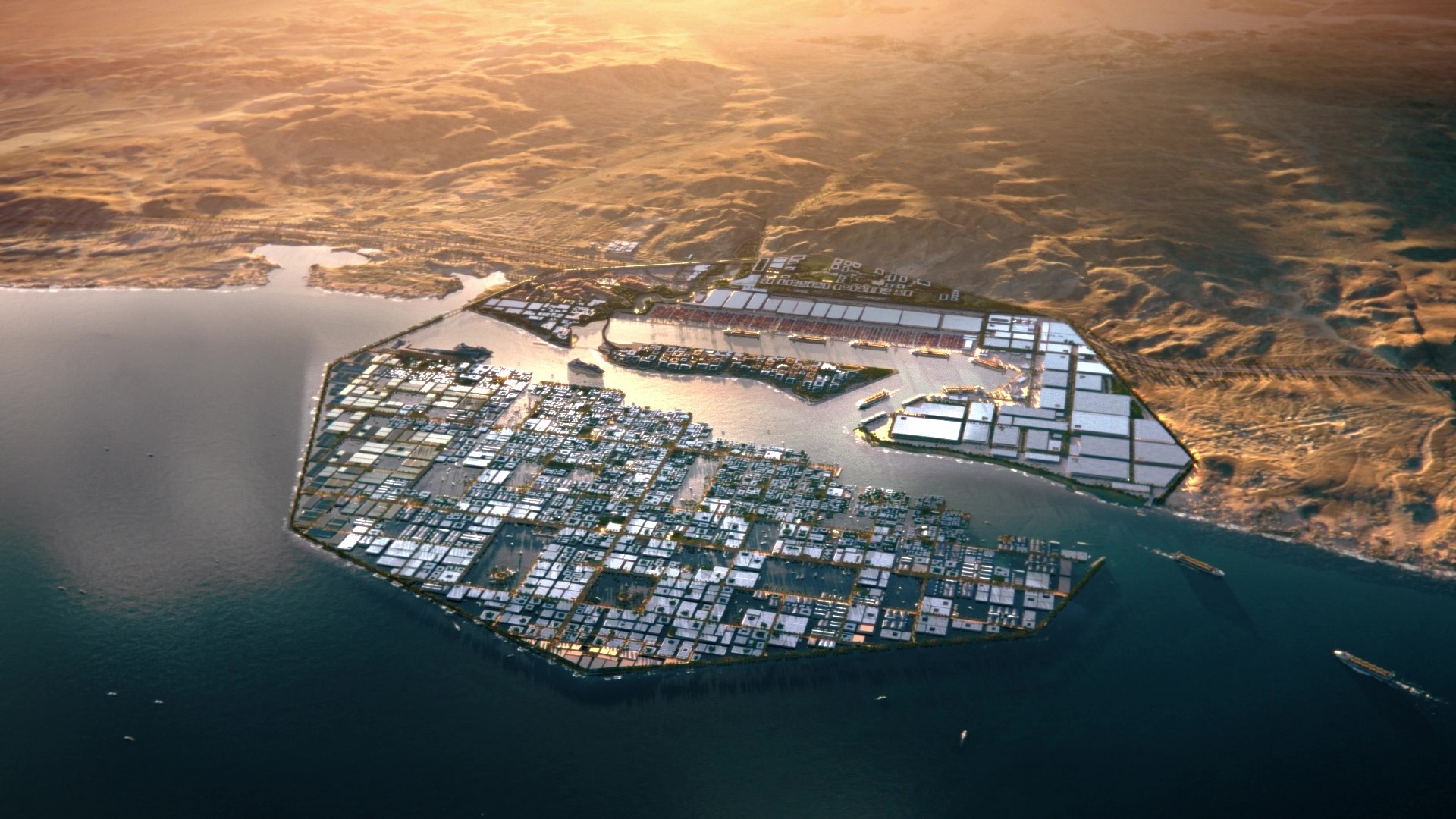 City Master Plans
NEOM Oxagon Innovation Hub
Smart technology strategy and integration architecture for the world's first fully automated industrial city on the Red Sea coast.
Read case study →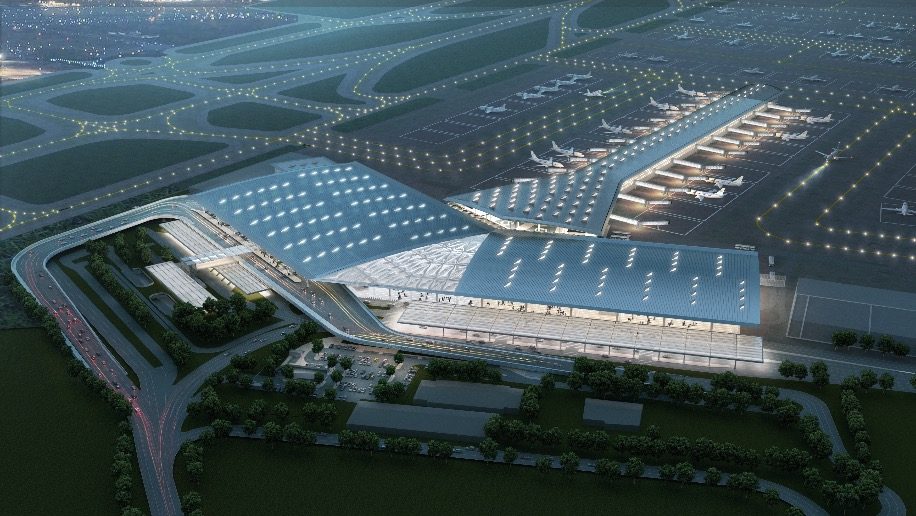 Infrastructure
IGIA Smart Airport City Digital Blueprint
End-to-end digital blueprint for a 5,000-acre smart airport city at India's busiest international gateway, from Airport 2.0 to Airport 4.0.
Read case study →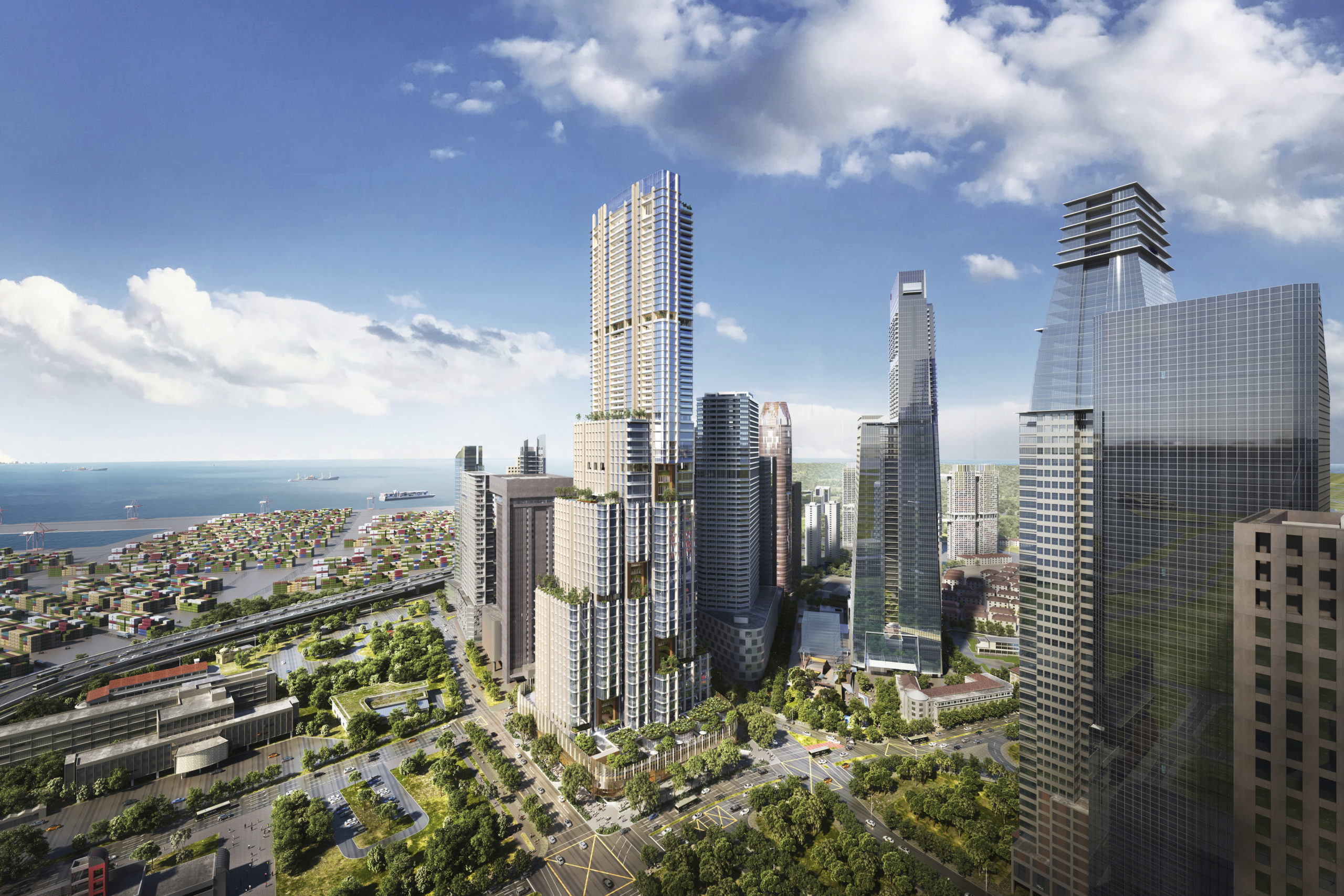 Smart Buildings
8 Shenton Way, Singapore
GM2021 Intelligence Section Lead for Singapore's tallest skyscraper, a 63-storey, 305-metre post-pandemic mixed-use tower setting a new standard for sustainable, health-first vertical communities.
Read case study →
Retrofitting a live, tenanted Grade-A tower is a different discipline from designing something new: every change had to happen without a single office worker noticing the building thinking harder about their comfort. There were early mornings coordinating with the BMS vendor so testing never touched occupied floors during business hours. Watching the airflow adjust itself to actual occupancy patterns, instead of a fixed schedule, made every one of those careful maintenance windows worth it.
