IGIA Smart Airport City Digital Blueprint
End-to-end digital blueprint for a 5,000-acre smart airport city at India's busiest international gateway, from Airport 2.0 to Airport 4.0.
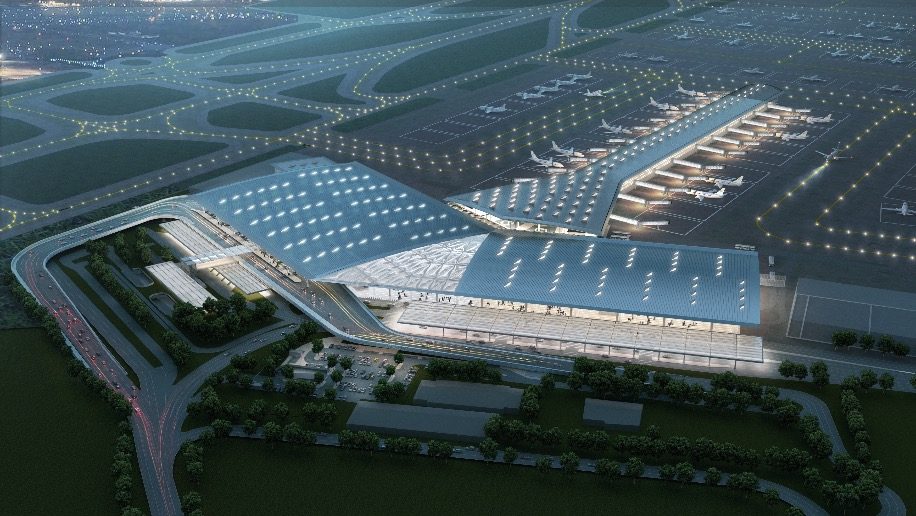
Technical Lead for the digital blueprint of a 5,000-acre smart airport city at Indira Gandhi International Airport (IGIA), New Delhi. It is India's busiest airport, serving 100M+ passengers a year, and is run by GMR Infrastructure and the Airports Authority of India. The blueprint covered airside and landside operations across eleven smart domains. These included IT infrastructure and telecoms (fiber, LPWAN, private LTE, laser wireless). They also included security with a threat and vulnerability assessment, transport and mobility, and sustainability. Water management, energy distribution and smart lighting were covered too. A digital twin command centre with 3D holographic VR integration anchors it all. The work delivered a smart city assessment framework with a weighted matrix index across disciplines, and security design aligned with ISO 27001. It also delivered a production-quality super-app wireframe. One token opens up transport, retail, hotel and facilities management.
IGIA needed a digital blueprint for a 5,000-acre smart airport city spanning airside and landside operations. It is India's busiest airport, with capacity for 100M+ passengers a year. Its footprint takes in terminals, aerocity, cargo and support infrastructure. The task was to specify one integrated technology architecture across eleven domains at once. It ran from fiber backbone and private LTE to digital twin command centres and a single super-app. It also had to set up ISO 27001 information security governance. Every domain needed measurable KPIs, referenced against ISO and BSI standards.
Led as Technical Lead, heading a team of domain specialists from several disciplines. The team ran an on-site gap analysis and a deep operations audit across all airport city domains. Built a smart city assessment framework with a weighted matrix index that scores current state against target for each domain. Guided the vision and strategy for the move from Airport 2.0 to Airport 4.0, through structured engagement with domain heads and senior airport management. Led UI/UX teams on digital twin development, 3D hologram integration and real-time dashboard design. Specified eleven smart domain blueprints. They include IT infrastructure and telecommunications (fiber, LPWAN, private LTE, laser wireless communications). They also include safety and security, with a full threats and vulnerability assessment, and smart transport and mobility. Others cover sustainability and waste management, digital water management, energy and power distribution, and smart lighting and wayfinding. Designed a production-quality wireframe for a super-app. One token gives access across transport, retail, hotel and facilities management.
Delivered the complete digital blueprint for the 5,000-acre smart airport city across all eleven domains, with the full roadmap from Airport 2.0 to Airport 4.0. A video wall command centre with a 3D holographic VR AI response system was specified as the operating hub. An information security framework aligned with ISO 27001 was applied to all data communications. A full set of KPIs was set for every domain, referenced against ISO and BSI standards. The production-quality super-app wireframe became the reference for one passenger experience. A single token gives access across transport, retail, hotel and facilities for the whole smart airport city.
- My role
- Technical Lead, heading a team of domain specialists, Meinhardt Group
A digital blueprint defines what a smart city can become before a single cable is laid. The order of work matters as much as the choice of technology. The weighted matrix across eleven domains shows which gaps are structural and which can be patched. It forces a conversation about the order of improvement, instead of a wishlist of capabilities. The same framework applies to any business. Audit where you stand honestly, across every operating domain, against a defined target standard. Then fix gaps in priority order.
The same diagnostic logic from deployments like this one, applied to your business in half a day.
Book the WorkshopDiscuss a similar programme- Indira Gandhi International Airport (IGIA): India's busiest airport; 5,100+ acres; 100M+ pax capacity; operated by Delhi International Airport Limited (DIAL), GMR Infrastructure and Airports Authority of India
- GMR Aerocity Delhi: smart airport city commercial district; expanding to 18M sqft by 2029
- Employer testimonial letter from Meinhardt (Singapore) Pte Ltd (Group Director, December 2022) naming this project available to procurement teams on request; not published online
Other projects
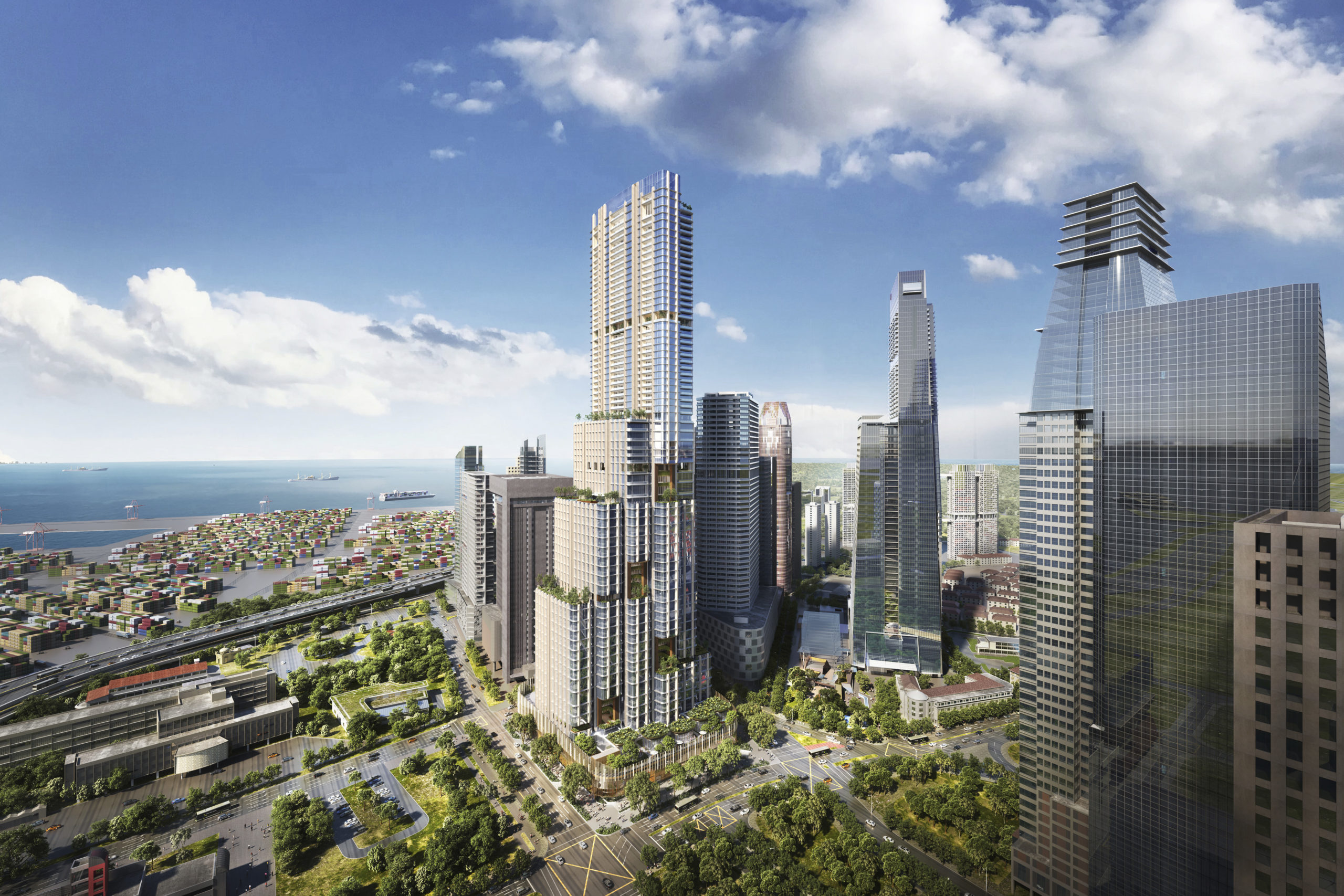 Smart Buildings
8 Shenton Way, Singapore
GM2021 Intelligence Section Lead for Singapore's tallest skyscraper, a 63-storey, 305-metre post-pandemic mixed-use tower setting a new standard for sustainable, health-first vertical communities.
Read case study →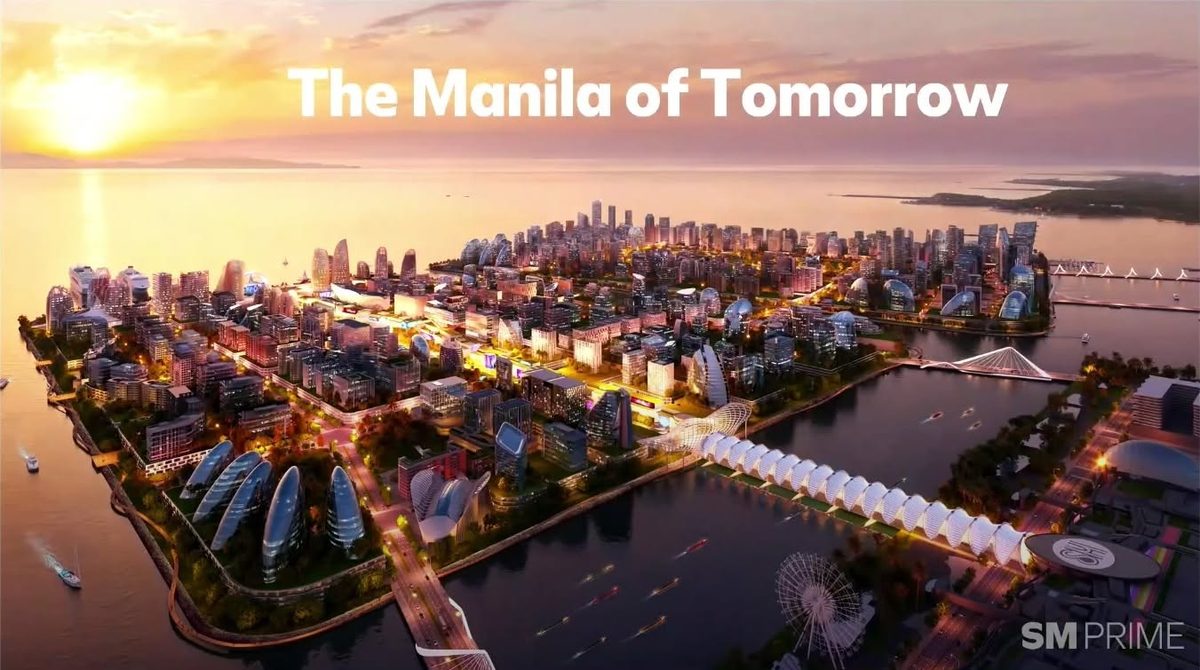 City Master Plans
SM Super City, Pasay 360 Detailed Master Plan, Manila
Smart city systems lead for a 396-hectare, 10.85M sqm mixed-use development across three reclaimed islands in Manila Bay.
Read case study → City Master Plans
NEOM Magna Smart City Master Plan
Smart city framework for a 406 km² eco-tourism destination on the Gulf of Aqaba.
Read case study →
Auditing eleven domains across 5,000 acres at India's busiest airport meant sitting with domain heads who'd run their own systems their own way for years. I then had to ask them, gently, to score their own gaps against a shared standard. Some of those conversations needed more diplomacy than technical skill. The weighted matrix mattered less than the trust built in the room to fill it out honestly. Watching Airport 2.0 start moving toward Airport 4.0 on the back of that honesty is what I'll remember.
