PSA Marine: Biometric Fuel Management Operations
Secured, biometric-authenticated fuel management system connecting PSA Marine's Brani and West Coast bases over a redundant fibre and LTE network.
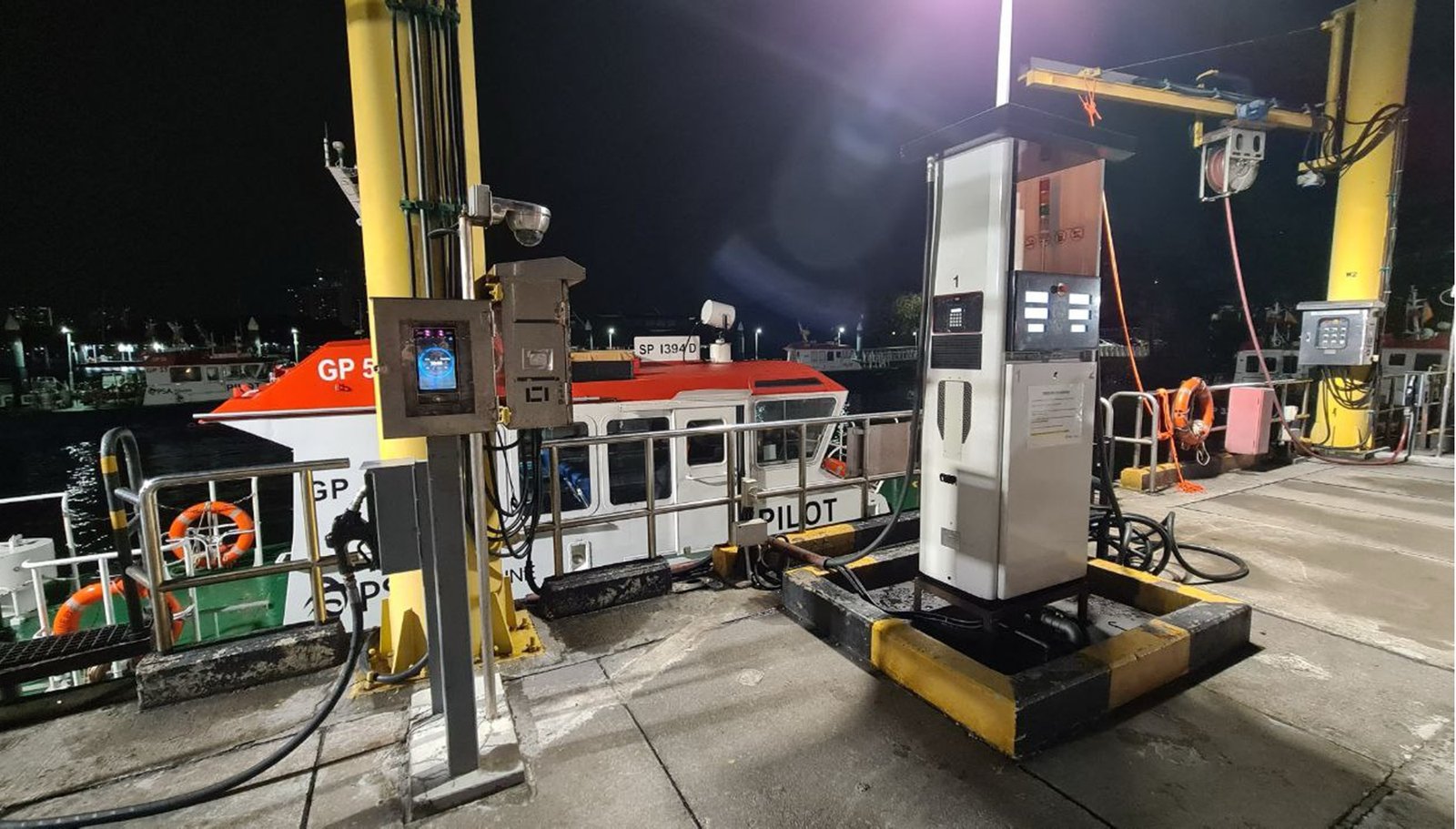
Upgraded PSA Marine's on-premise fuel management operations to a fully secured biometric system, using fibre-optics, WAN, LTE, on-premise controllers, and fuel management software with redundancy planning. The system connects Brani and West Coast bases over a secured VPN, with two-factor bunkering authentication combining facial recognition and external supervisory controls. Firmware integration spans fuel dispensers, fuel management systems, and facial recognition hardware, alongside 24/7 marine-grade AI surveillance equipment.
PSA Marine required a secured fuel management upgrade connecting two physically separate bases (Brani and West Coast) with redundancy planning, so that fuel bunkering operations could be authenticated and supervised remotely without compromising security across the network link.
Deployed fibre-optic, WAN, and LTE connectivity with on-premise controllers and fuel management software built for redundancy. Connected both bases through a secured VPN. Implemented two-factor bunkering authentication using facial recognition combined with external supervisory controls, with firmware integration across fuel dispensers, fuel management systems, and facial recognition subsystems, plus 24/7 marine-grade AI surveillance.
Secured biometric fuel management operations live across both Brani and West Coast bases, with redundant connectivity and two-factor authenticated bunkering, closing the security gap in what was previously a less-supervised, single-factor process.
Fuel bunkering is a high-value, high-risk transaction, which is exactly why it needed two-factor authentication (facial recognition plus supervisory control) rather than a single access card. Any business handling a similarly high-value, low-frequency transaction should apply the same standard: the more consequential the transaction, the more factors should confirm it.
Kok, T. (2026). PSA Marine: Biometric Fuel Management Operations [Case study]. terencekok.com. https://terencekok.com/projects/psa-marine-biometric-fuel-management/
The same diagnostic logic from deployments like this one, applied to your business in half a day.
Book the WorkshopDiscuss a similar programme- Client reference letter from PSA Marine available to procurement teams on request; not published at the client's request
Other case studies.
 IoT & Robotics
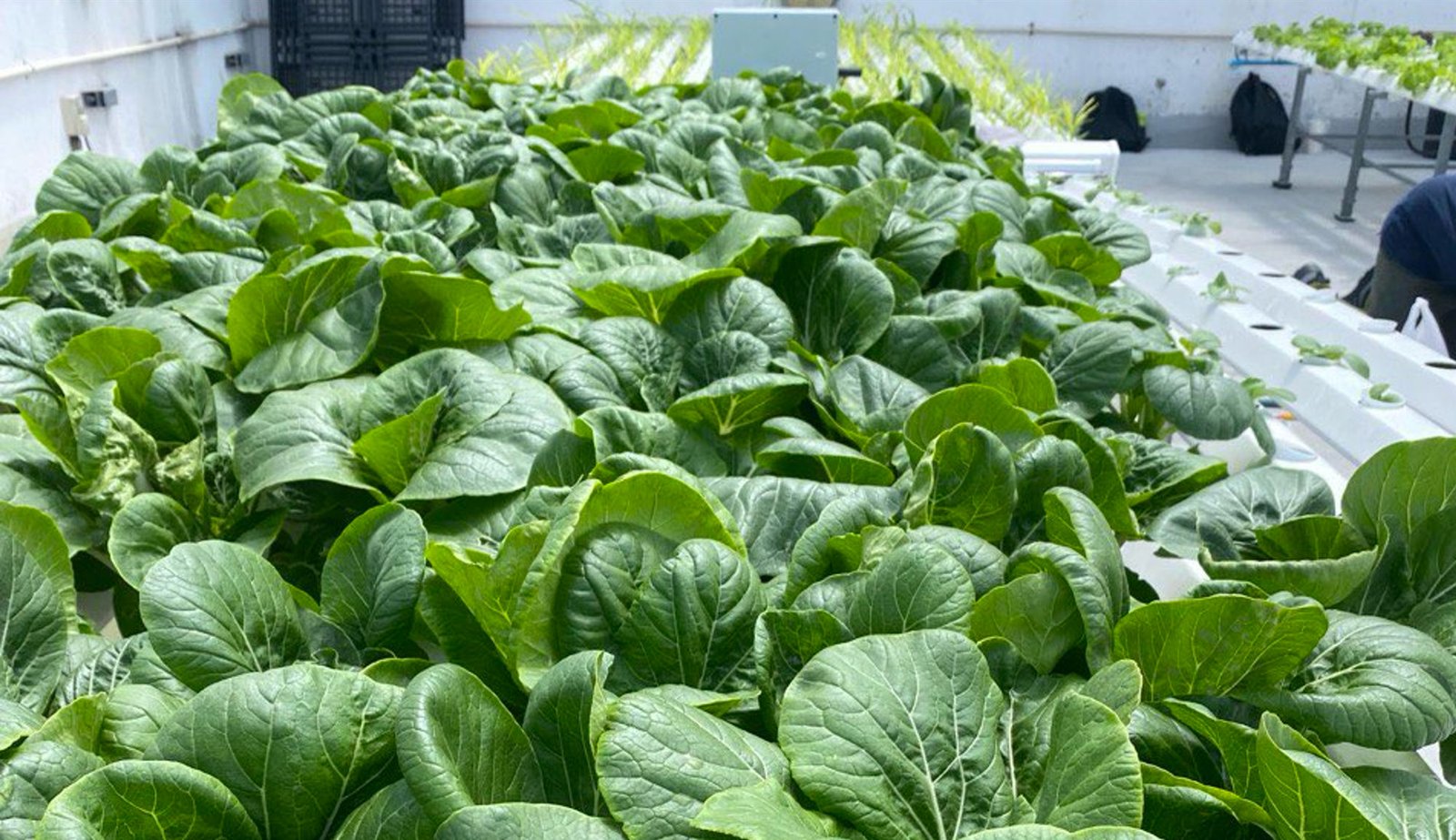
PSA Marine: Hydroponics AI Monitoring & Optimal Harvesting
AI-based optimal harvesting and remote sensory monitoring for PSA Marine's sustainable hydroponics farming initiative.
Read case study →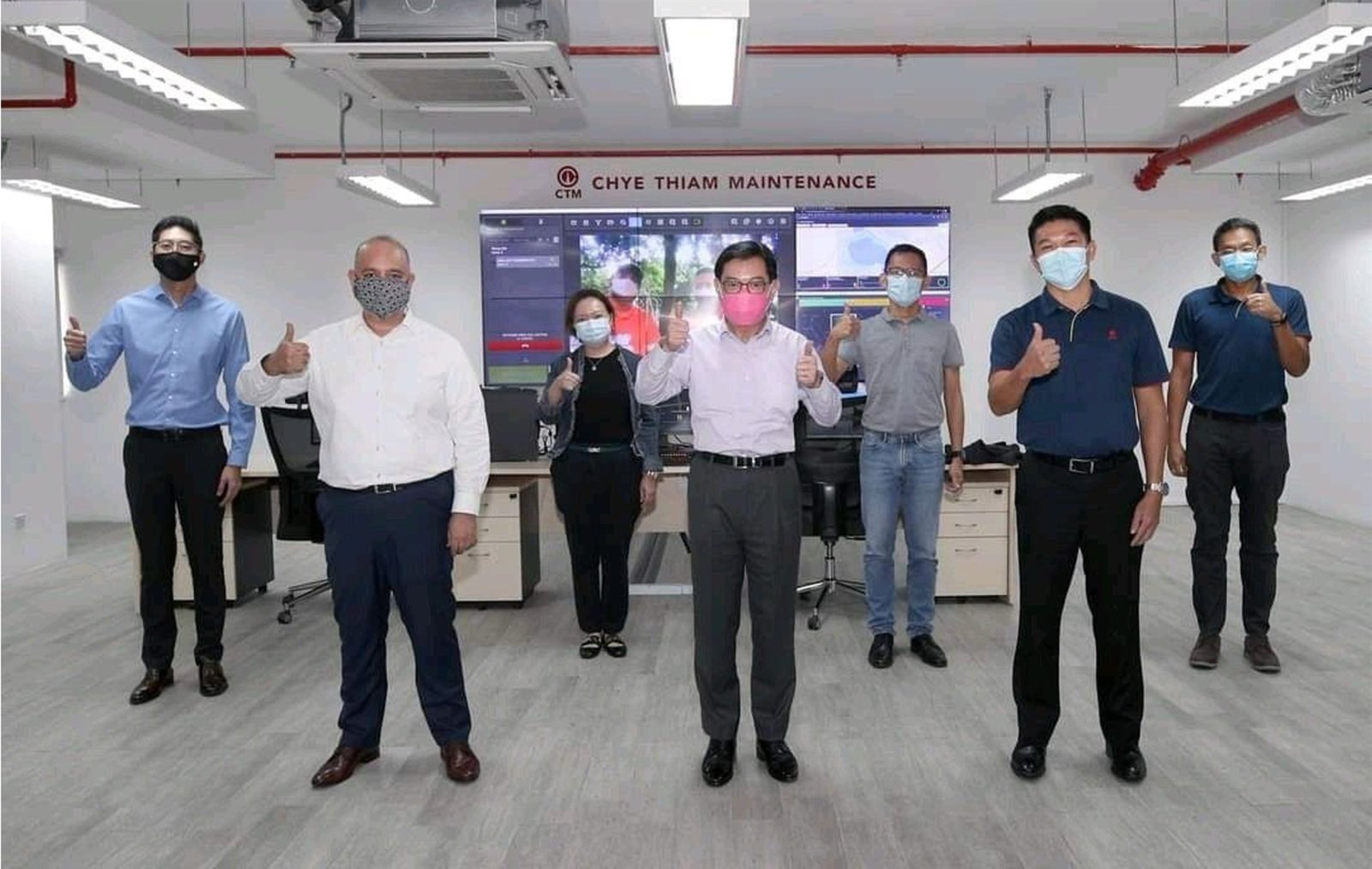 IoT & Robotics
Chye Thiam Maintenance: Unified Communications System
Secured mission-critical unified communications and asset tracking system, demonstrated to Singapore's Deputy Prime Minister.
Read case study →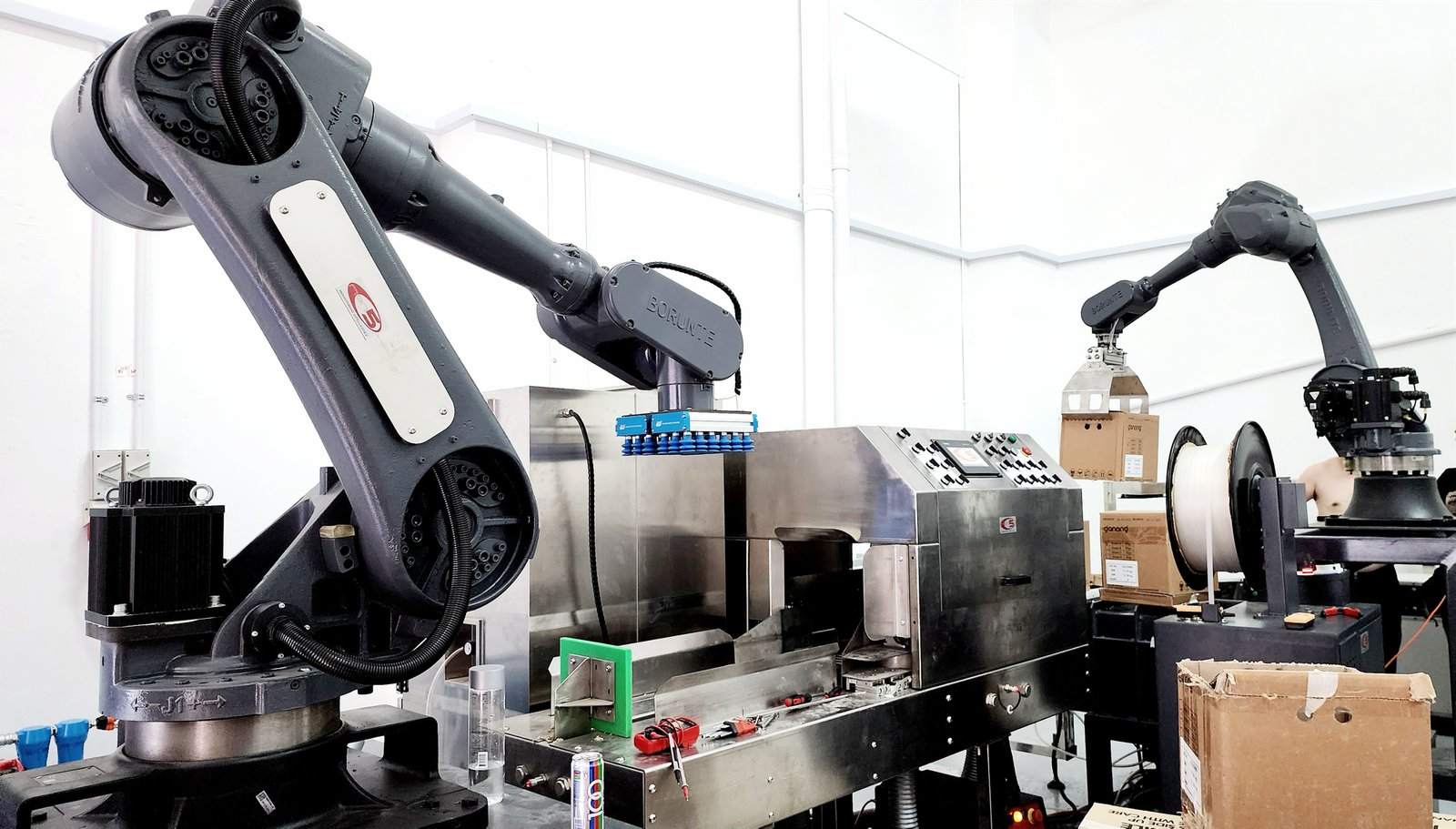 IoT & Robotics
Raymang Eggs: Automated Carton Box Removal System
ESG-funded robotic carton removal system for egg distribution, a 1,000%+ efficiency gain using two 6-axis industrial robotic arms.
Read case study →
Fuel bunkering between two bases doesn't sound like a security problem until you think about what one stolen credential could authorise, which is why facial recognition plus supervisory sign-off replaced what used to be a single card and a signature. Connecting Brani and West Coast over a redundant link meant planning for the connection failing. I like systems that assume something will eventually go wrong and are already built to catch it when it does.
