PestBusters Industry Transformation Programme
The first Lead Enterprise Assisted Scheme (LEDS) project in Singapore: fleet, surveillance, and IoT transformation for the pest management industry.
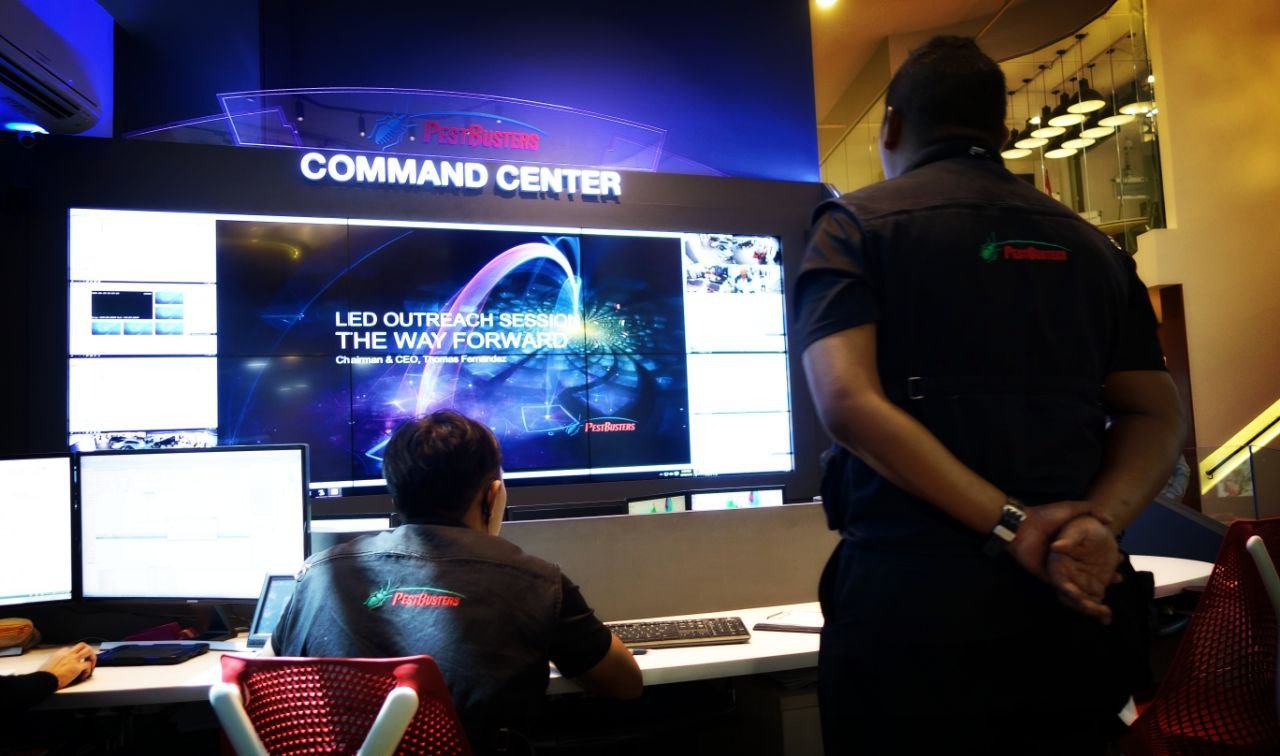
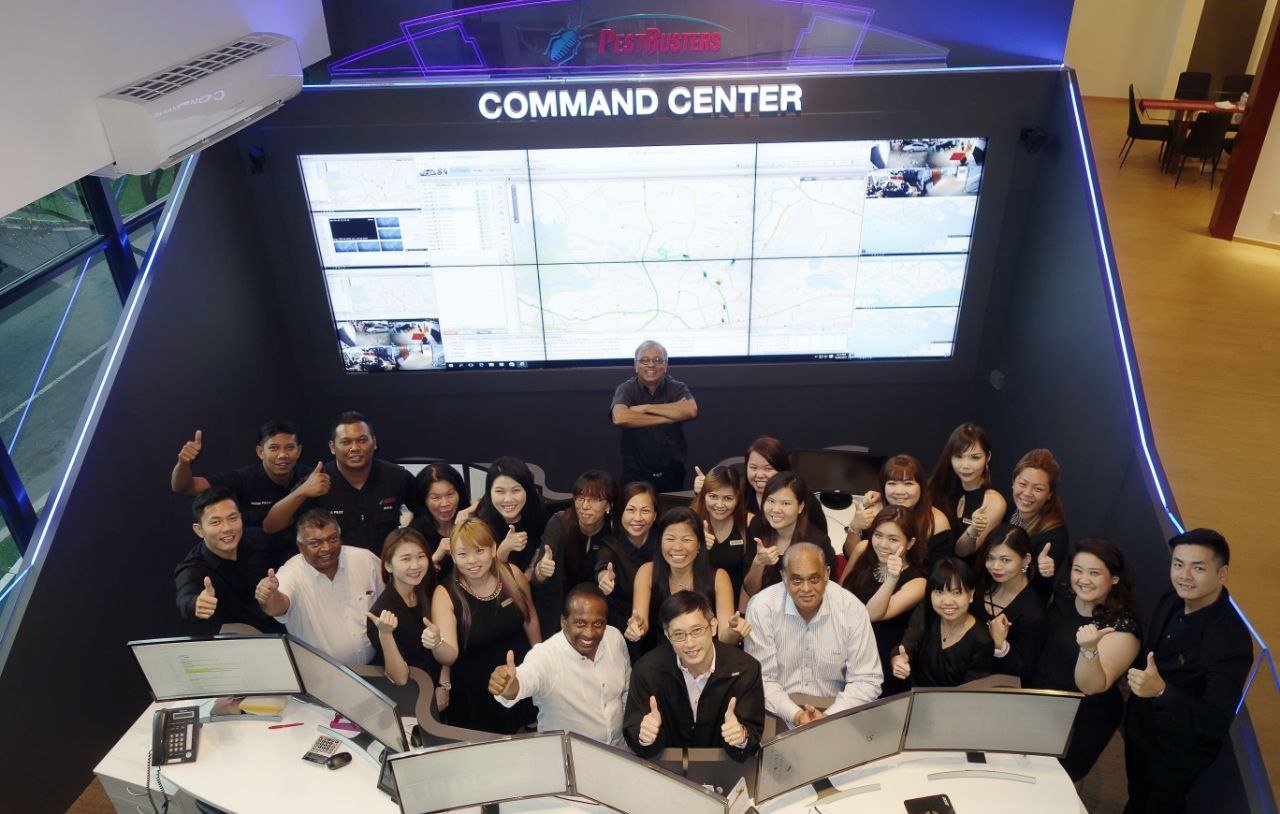
Led the technology transformation programme for PestBusters, the first Lead Enterprise Assisted Scheme (LEDS) project in Singapore. Phase 1 delivered fleet management, live-streaming body cameras, inspection drones and a central command centre. Phase 2 added IoT devices with web-based monitoring software. It also added intelligent rodent cameras and traps. Together they moved the industry from manual inspection to connected pest management driven by data.
The pest management industry ran on manual inspection routes. There was no fleet visibility, no live check on site work, and no systematic way to find infestations before they became visible problems. PestBusters needed a transformation programme big enough to qualify as Singapore's first Lead Enterprise Assisted Scheme (LEDS) project. It would be proof that a traditional service industry could be rebuilt around connected technology.
Delivered the transformation in two phases. Phase 1 built the operational backbone. Fleet management gave route and vehicle visibility, and live-streaming body cameras verified work on site. Inspection drones reached hard-to-reach areas, and a command centre brought all feeds into one operating view. Phase 2 added intelligence. It brought IoT devices with web-based monitoring software, and purpose-built intelligent cameras and traps that watch for rodents. These find and report infestations automatically.
PestBusters became the first LEDS-qualifying project in Singapore. The two-phase transformation took the business from manual inspection to a fully connected, IoT-enabled operation with central command and control. The intelligent rodent cameras and traps let the business detect problems in a way the manual process never could.
- My role
- Delivered the transformation in two phases, Orion Five Engineering
Industry transformation grants reward a phased approach. First prove the operational backbone: fleet visibility, a command centre, a way to see what is happening in real time. Then add the intelligent sensors and automation that depend on it. Any mid-market enterprise chasing a digitalisation grant should work in the same order. Build the infrastructure, then add the intelligence.
The same diagnostic logic from deployments like this one, applied to your business in half a day.
Book the WorkshopDiscuss a similar programme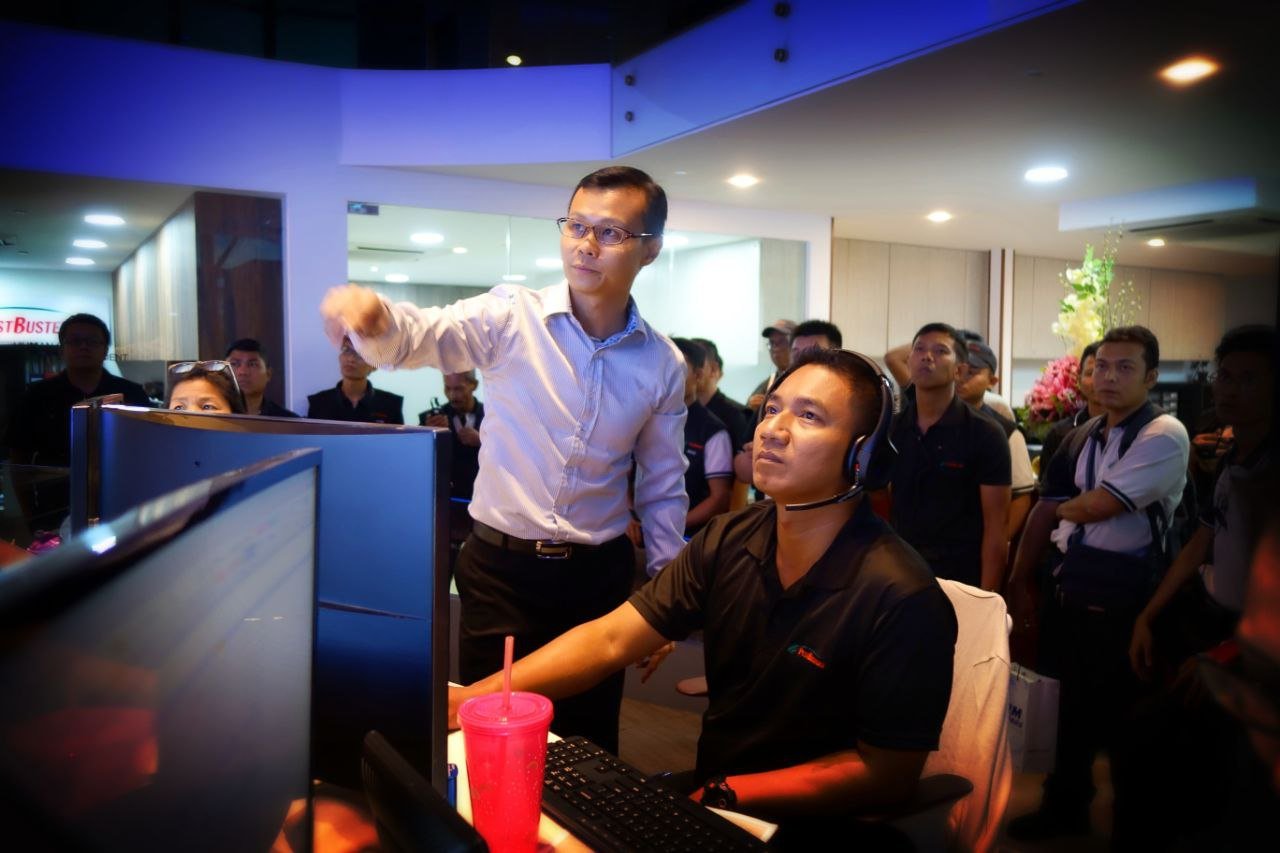
Other projects
 IoT & Robotics
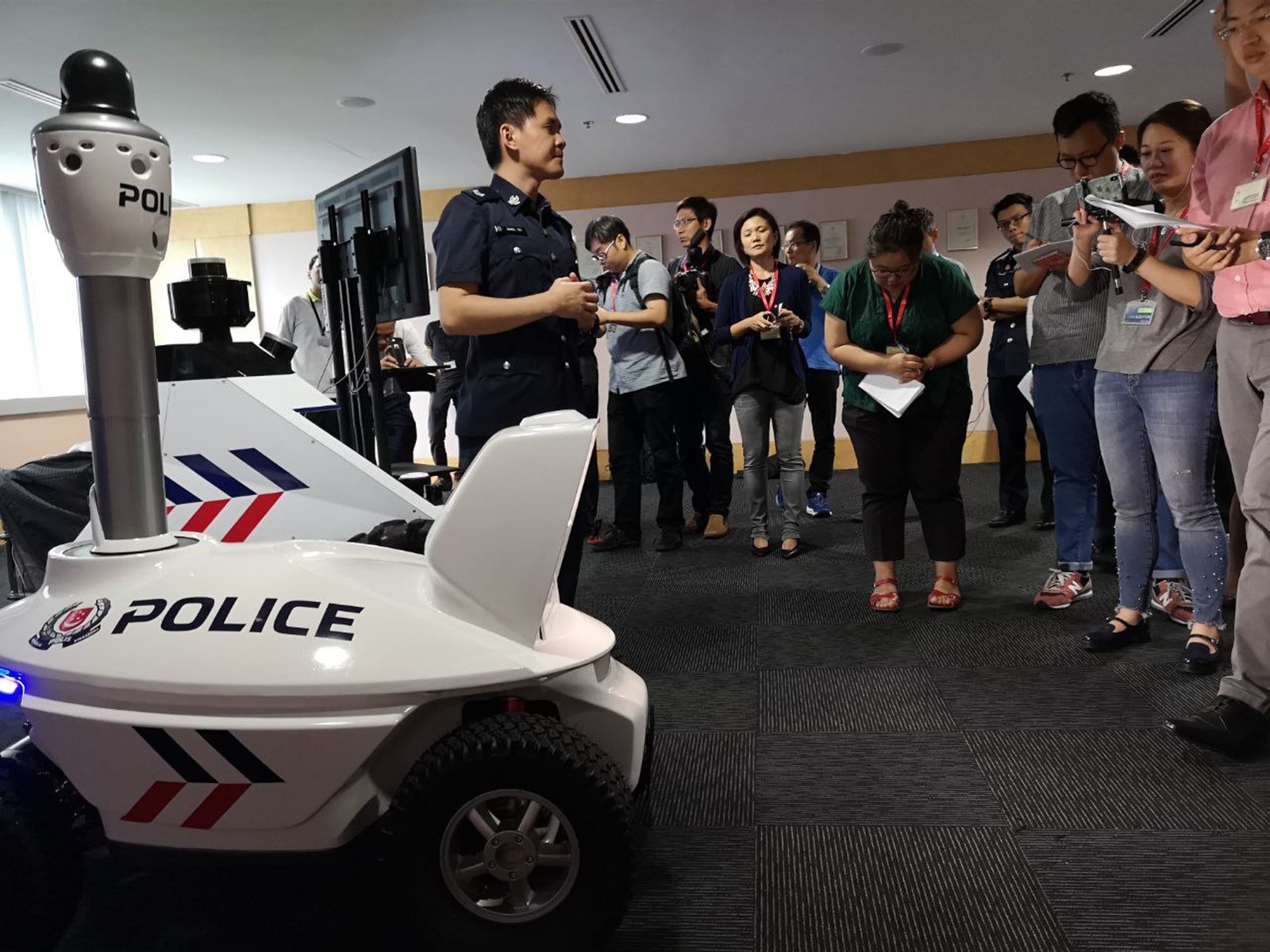
Ministry of Home Affairs: Autonomous Ground Robot Deployment
Autonomous ground robot that works without GPS, deployed for the Singapore Police Force at Chingay 2018 and on confidential security operations.
Read case study →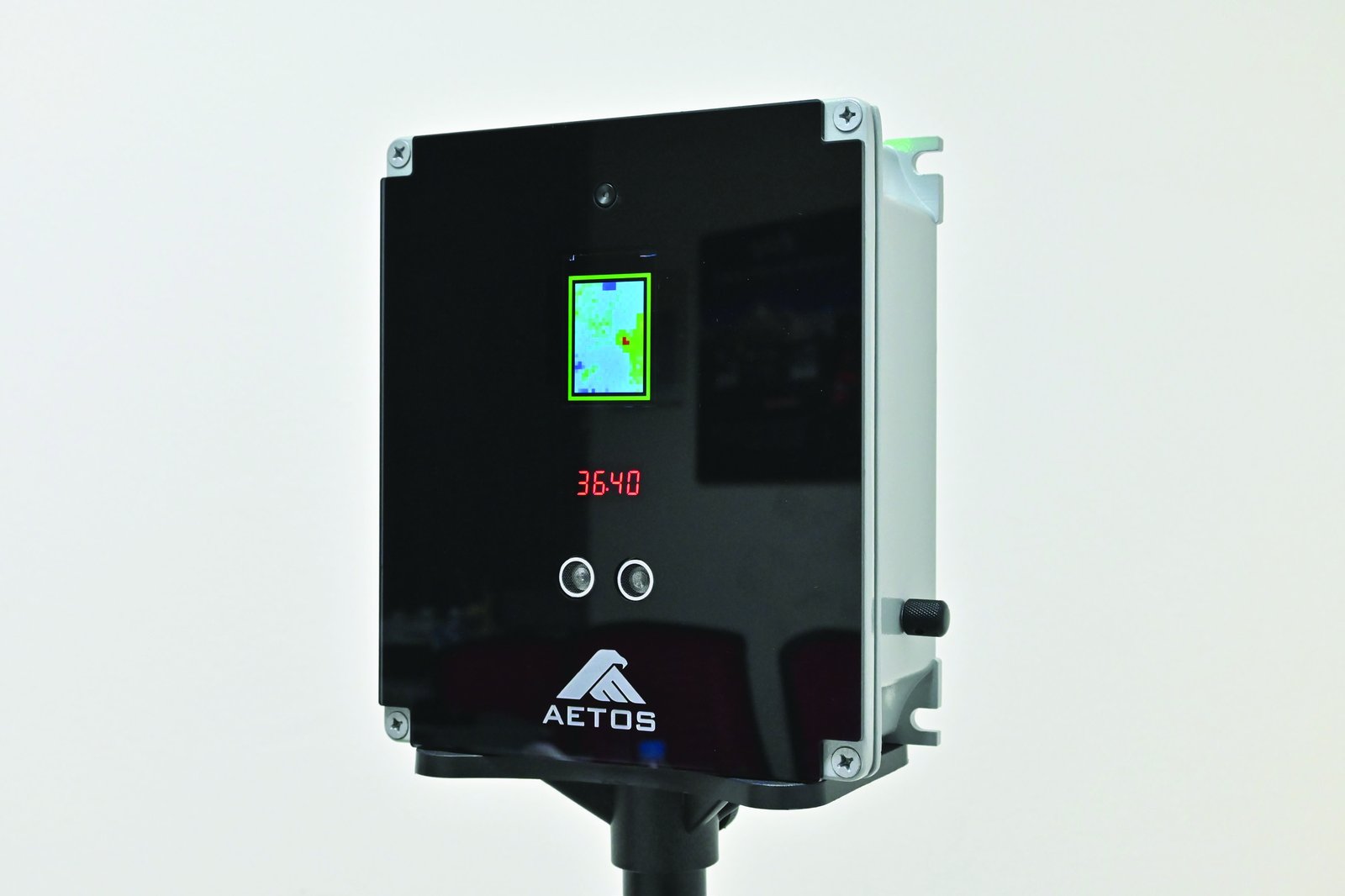 IoT & Robotics
AETOS KoolScan: Contactless High-Speed Temperature Scanner
Fully customised, Class B medical device-certified temperature scanning system, over 1,200 units built to support pandemic operations.
Read case study →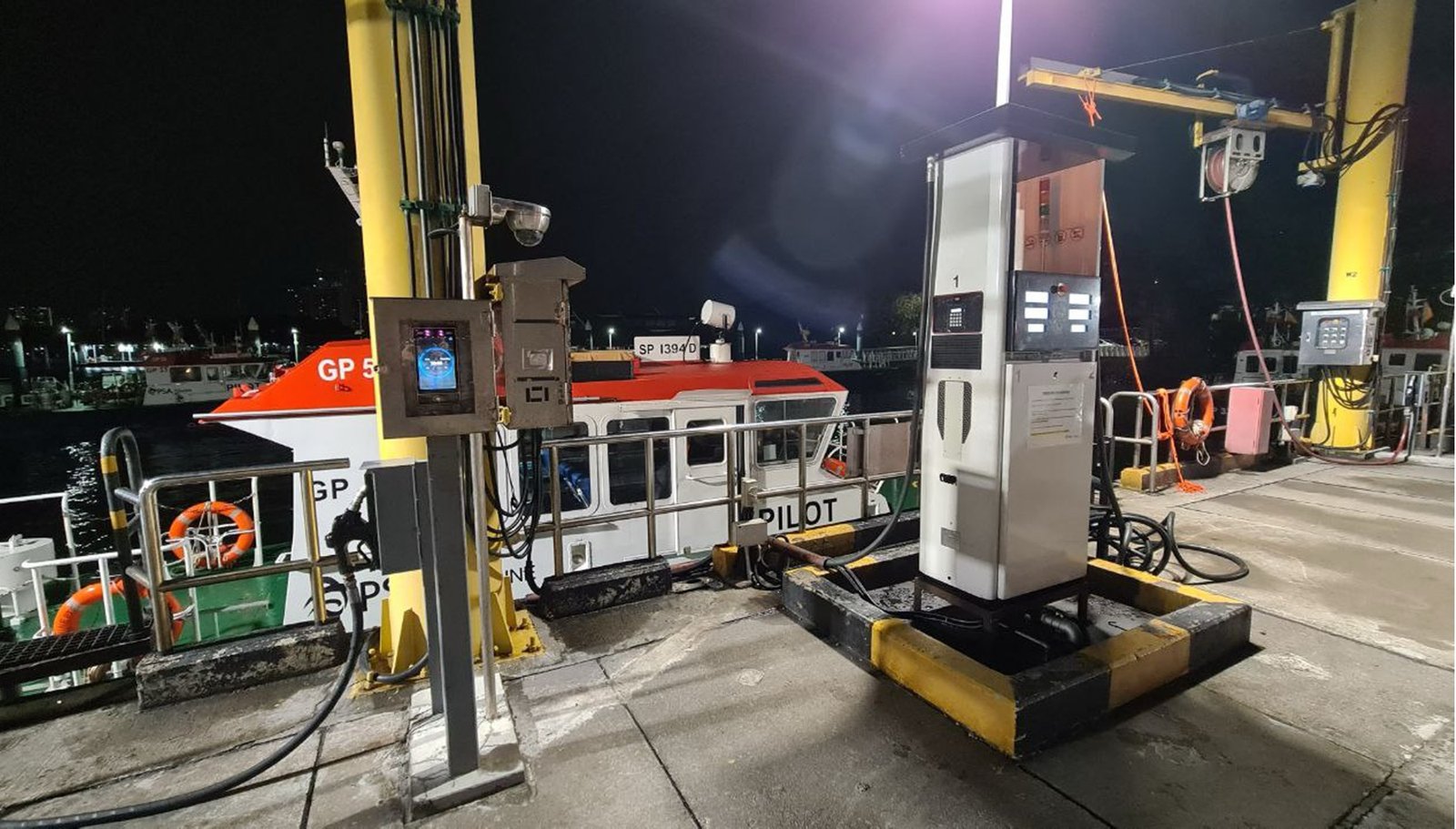 IoT & Robotics
PSA Marine: Biometric Fuel Management Operations
Secure fuel management with biometric sign-in, linking PSA Marine's Brani and West Coast bases over a redundant fibre and LTE network.
Read case study →
Pest control is not an industry anyone expects to be first at anything nationally. That is exactly why becoming Singapore's first LEDS project mattered so much to a team that had spent years defending their trade against assumptions about what it could be. Phase 1 was deliberately unglamorous: fleet visibility and a command centre. Intelligent traps mean nothing without the operational backbone underneath them. Watching field staff who'd run manual routes for a decade start trusting a live dashboard was the real transformation.
