DIAL Aerocity Smart Commercial District, Delhi
Concept master planning for a 230-acre smart commercial district at Delhi's IGIA, designed for 400,000 high-tech professionals.
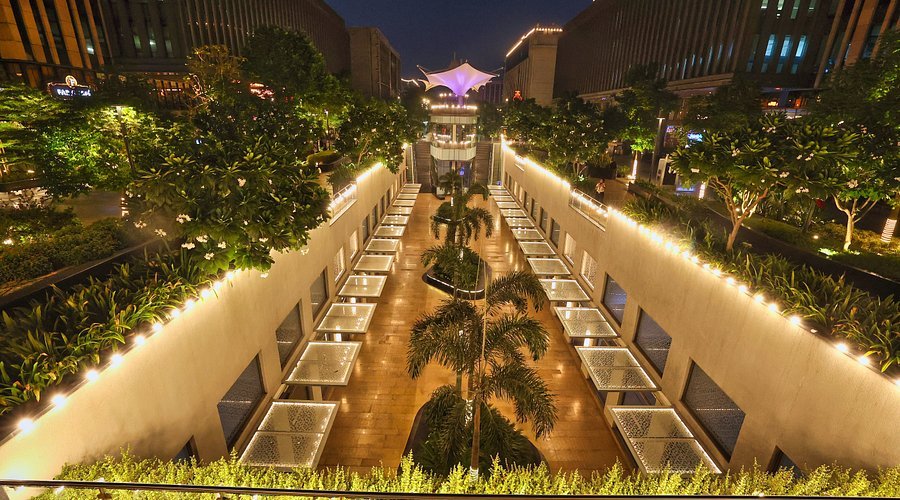
Concept infrastructure master planning and preliminary design for AeroCity at Delhi's Indira Gandhi International Airport. It is a 230-acre (30 million sq ft) smart commercial district. It is designed to hold 400,000 high-tech professionals. The district is connected and walkable, with resilient infrastructure and multi-modal transport links. The smart infrastructure design covered an enterprise-grade IT backbone and full fibre and wireless coverage. It added an IoT ecosystem for building automation and sensor networks, and a real-time analytics platform. All of it was organised under five smart solution pillars: traffic and transport, communications, city management, security, and IT infrastructure.
AeroCity needed concept-level infrastructure master planning for a 230-acre smart commercial district at Delhi's IGIA. It was designed to eventually house 400,000 high-tech professionals. So the technology and security architecture had to be set early, at the preliminary design stage. Individual buildings and tenants were not yet defined. It still had to support walkable public spaces and multi-modal transport links.
Led as Technology and Security Lead on the conceptual master plan. Specified an enterprise-grade IT backbone and full fibre optic and wireless coverage. Added an IoT framework for smart building automation and sensor networks. A real-time analytics platform gives operating insight. Organised the design around five smart solution pillars. The first two were smart traffic and transport management, and smart communications with redundant high-bandwidth systems. Smart city management ran through an integrated operations centre. Smart security was layered, with video analytics and access control. The IT infrastructure was built to be resilient, with backup data centres and cybersecurity protocols.
The concept master plan and preliminary design were delivered for AeroCity. They fixed the technology and security architecture before any single building was designed. The district is built to eventually hold 400,000 professionals, and it was specified before a single building existed.
- My role
- Technology and Security Lead on the conceptual master plan
Designing for 400,000 future workers before a single building exists means the IT backbone, fibre coverage and analytics platform must be specified as core infrastructure. Any growing business scaling its premises faces a smaller version of the same decision. Wire in the connectivity and data capacity you will need at scale before the walls go up. Retrofitting it later costs multiples more.
The same diagnostic logic from deployments like this one, applied to your business in half a day.
Book the WorkshopDiscuss a similar programmeOther projects
 IoT & Robotics
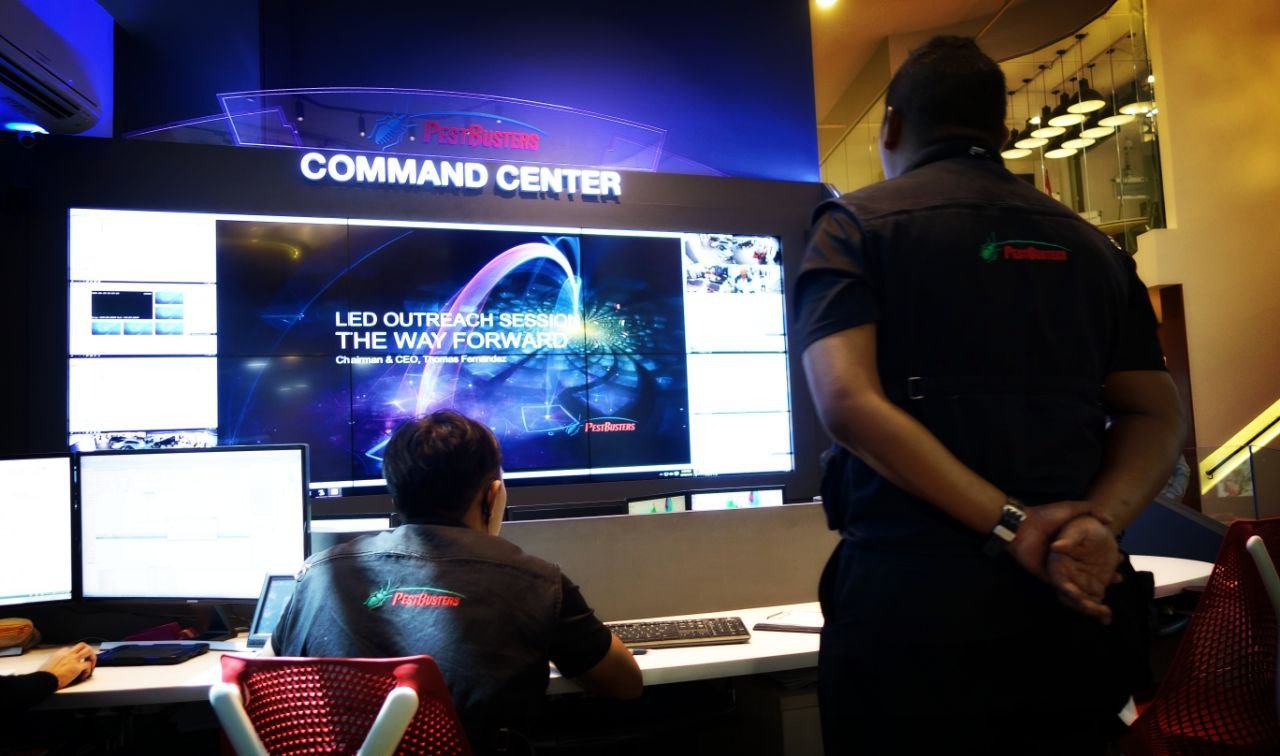
PestBusters Industry Transformation Programme
The first Lead Enterprise Assisted Scheme (LEDS) project in Singapore: fleet, surveillance, and IoT transformation for the pest management industry.
Read case study →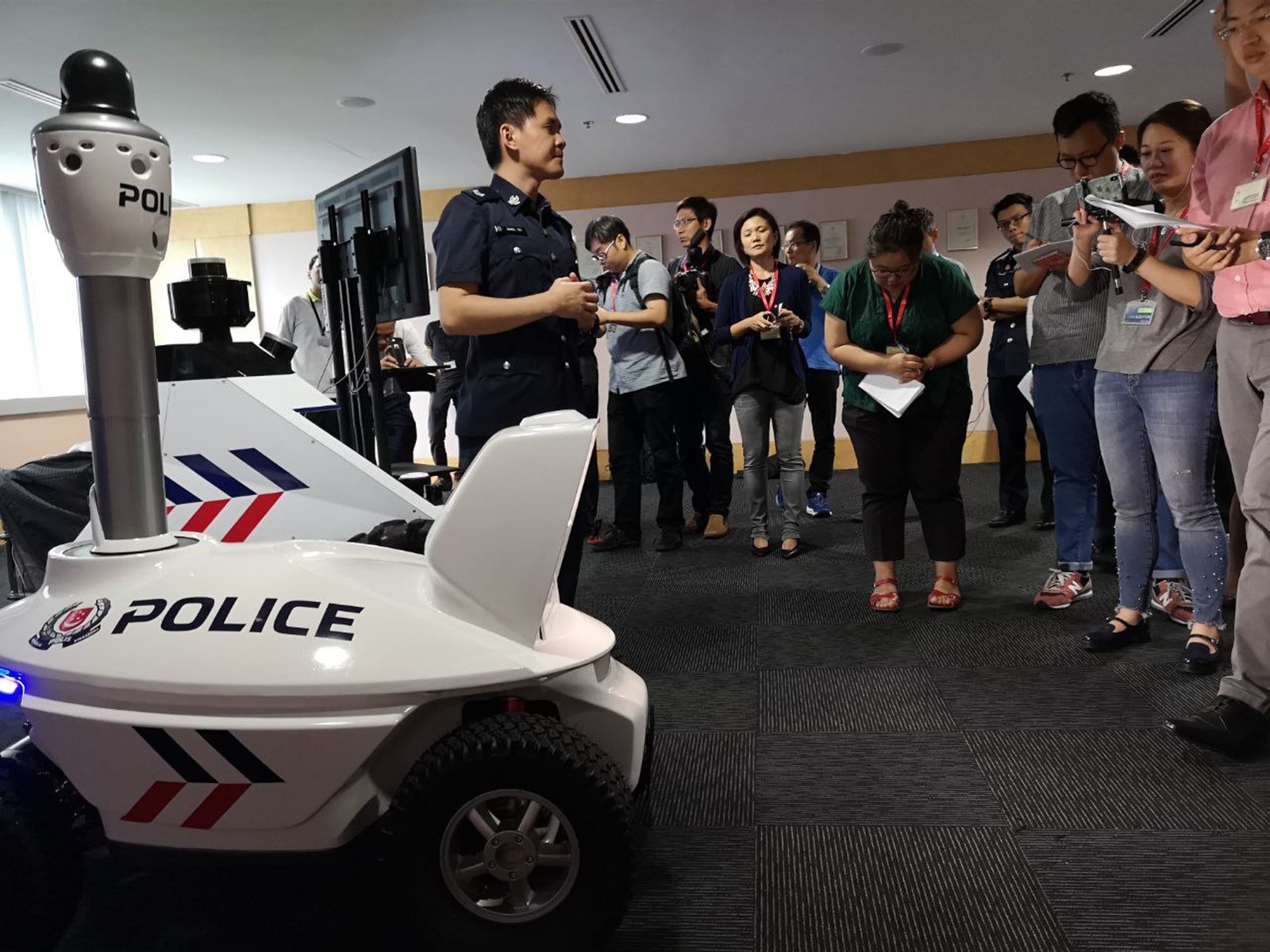 IoT & Robotics
Ministry of Home Affairs: Autonomous Ground Robot Deployment
Autonomous ground robot that works without GPS, deployed for the Singapore Police Force at Chingay 2018 and on confidential security operations.
Read case study →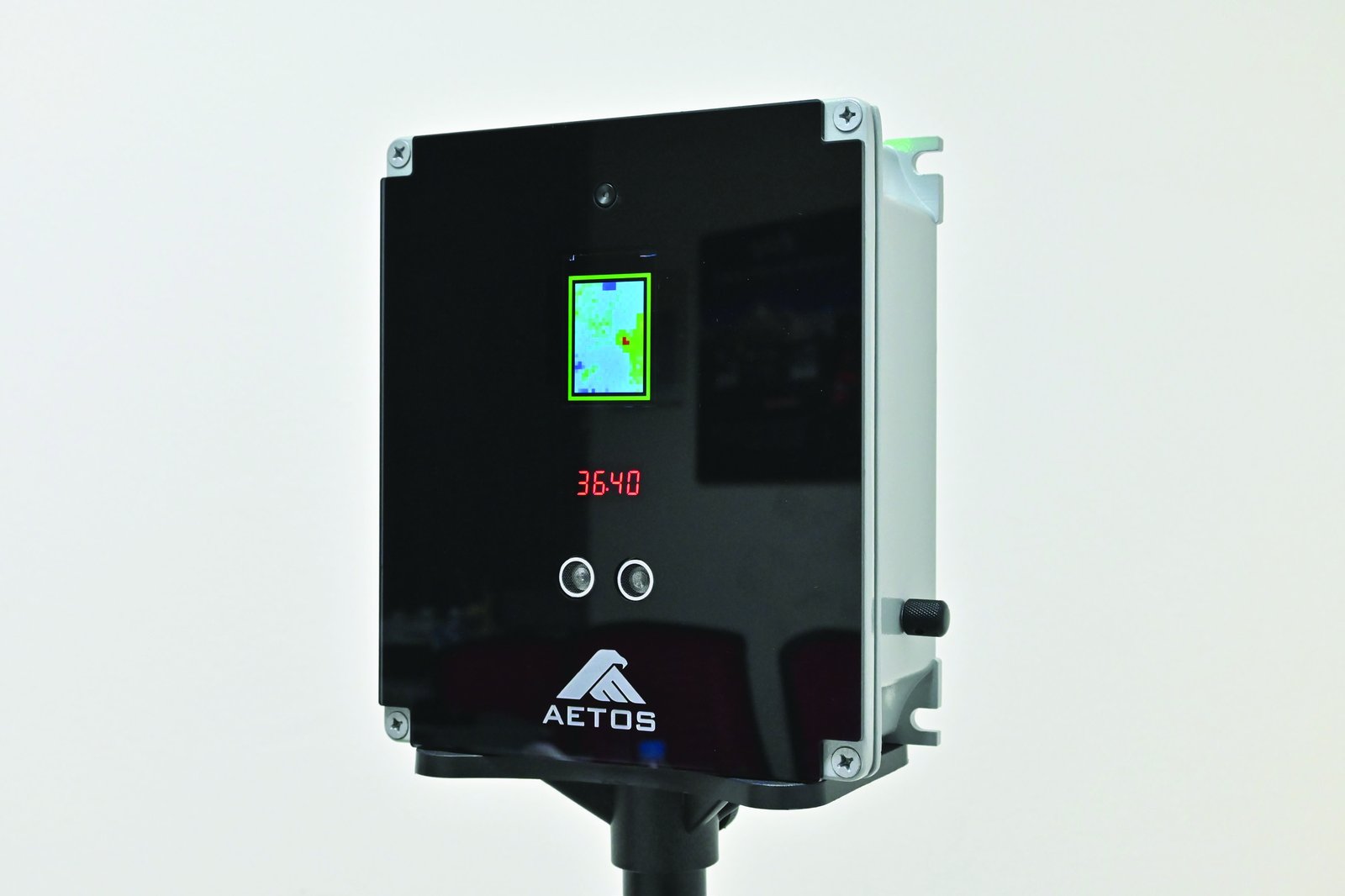 IoT & Robotics
AETOS KoolScan: Contactless High-Speed Temperature Scanner
Fully customised, Class B medical device-certified temperature scanning system, over 1,200 units built to support pandemic operations.
Read case study →
Four hundred thousand future workers, in buildings that don't exist yet, and an IT backbone that had to be sized without guessing. I pushed the fibre and wireless coverage numbers higher than the initial brief asked for. My argument was that retrofitting connectivity into a finished commercial district costs far more than overbuilding it now. Nobody has thanked me for that decision yet, because the buildings aren't up. That's fine. It's the right kind of invisible.
