Keynotes from someone who has taken AI to production.
Keynotes and panels I've delivered, drawn from production deployments.
Event organisers: Download the speaker kit →Shared the Stage With
What organisers, hosts and clients say
Terence led one of our interactive discussions and did an excellent job engaging the audience, sharing practical and thought-provoking insights. I particularly appreciated how collaborative and approachable he was, both during the preparation process and on the day itself.

His work moves beyond theory into real-world action. I wholeheartedly recommend Terence for his deep expertise in integrating innovation with sustainable business practices.
He is a leading voice in AI-driven urban transformation, and I recommend him to anyone seeking insight, credibility, and forward-looking leadership.
 Frederic JallatProfessor · ESCP Business SchoolVerify on LinkedIn
I recommend Terence without reservation to any organisation seeking a technology partner who understands both innovation and execution.

What I speak on.
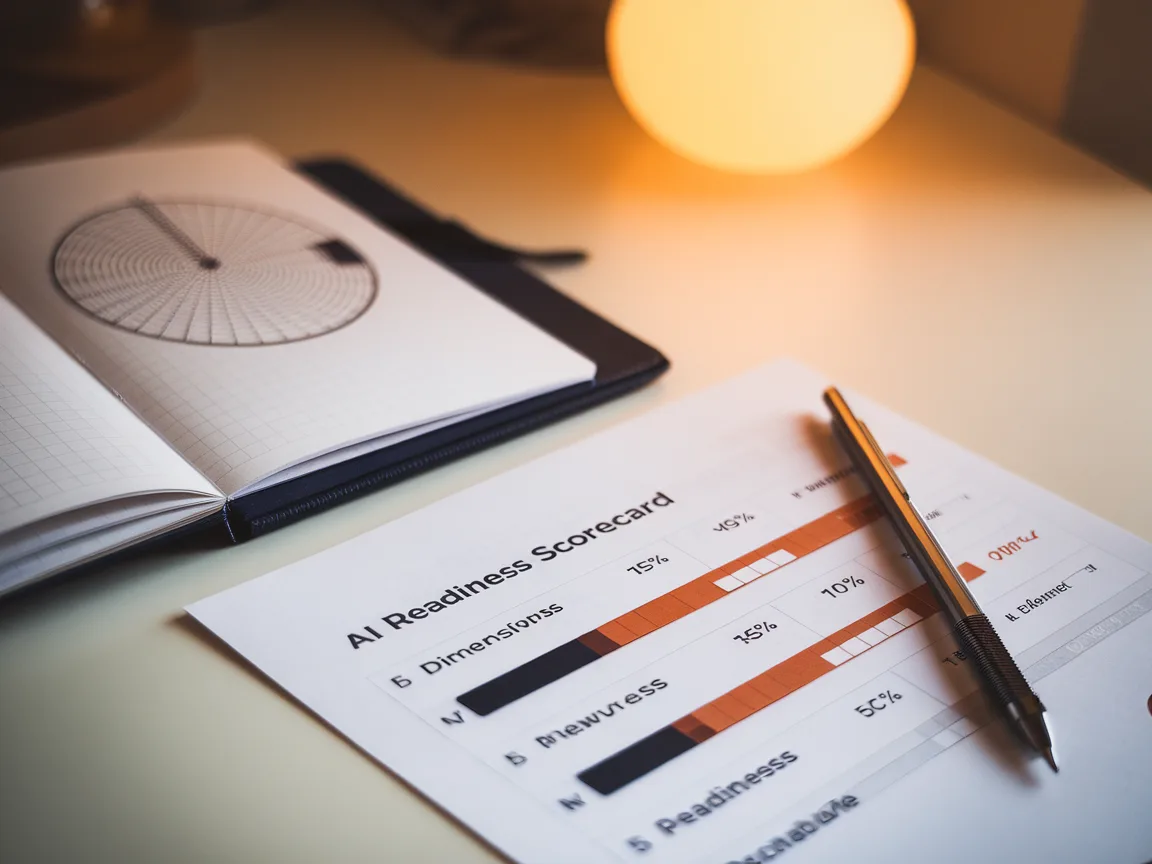
AI Readiness Diagnostics
Ninety-five percent of enterprise AI pilots deliver zero measurable ROI. The constraint is rarely the model. It is the absence of structural readiness before deployment begins. This session walks through a five-dimension diagnostic framework developed across government and infrastructure programmes in Asia and the Middle East, covering data readiness, process definition, governance structure, team capability, and measurement architecture. Attendees leave with a method for identifying the specific constraint in their organisation and a sequence for resolving it before committing budget to a platform, vendor, or use case.
- Data readiness: is your data clean, accessible, and relevant to the target task?
- Process definition: is the task consistent enough that a new employee could follow it?
- Governance structure: who checks outputs, and who is accountable when it goes wrong?
- Team capability: can your team review and correct AI outputs without specialist support?
- Measurement framework: what does success look like, and how will you know when you have it?
Governing Agentic AI Systems
AI agents are in production across healthcare, finance, infrastructure, and government, acting without human approval at every step. The governance architecture most organisations inherited from software and data projects is not built for probabilistic, autonomous systems. This session presents the TRACE framework for task suitability assessment, a three-layer oversight model adapted from Singapore's IMDA agentic AI governance guidance, and the practical redesign from human-in-the-loop to AI-on-the-loop that regulated environments require. Drawn from production deployments across national infrastructure programmes in Asia and the Middle East.
- Three tiers of delegation: what AI can decide alone, what requires human review, what cannot be delegated
- Audit trails and escalation paths built into the architecture before deployment begins
- Governance that scales from a small team to a 6,000-person enterprise without being rewritten
- Practical guardrails for agentic systems operating across connected data sources

Measuring AI ROI
Across Asia-Pacific, large enterprises are committing record capital to AI deployment. Most cannot answer the question their boards are asking: is it producing results? The error is structural. Programmes measure model accuracy, and do so without pre-deployment baselines that make attribution possible. This session distinguishes model performance metrics from business performance baselines, presents the Return on Employee framework as an alternative to headcount-reduction business cases, and sets out the measurement infrastructure that must exist before go-live. Applied to deployments from SME transformation to national infrastructure programmes across Singapore and the Middle East.
- Model performance: accuracy, latency, error rate, what the system does technically
- Business outcome: time saved, decision quality, error reduction, what it delivers commercially
- Return on Employee: hours reclaimed, cognitive bandwidth returned, productive capacity per person
- Baseline before go-live: the single most important measurement practice, consistently skipped
AI Governance for Non-Technical Leaders
Most AI governance frameworks are written by and for technical and legal teams. The leaders who approve budgets, sign deployment briefs, and answer to boards and regulators are rarely technical, and the frameworks rarely meet them where they are. This session translates the obligations that Singapore's IMDA framework, the EU AI Act, and sector regulators impose into four plain-language governance questions every decision-maker must be able to answer. No jargon, no vendor positioning. Drawn from advisory work across government programmes and enterprise AI deployments in Asia and the Middle East.
- What can the AI decide without asking you?
- Who checks the output, and who is accountable when it is wrong?
- What happens when the system fails: can your team still operate without it?
- How will you know the AI is performing as expected after six months?
Five formats, one conversation to set it up.
Tell me the room, the audience and the outcome you want. I will come back with a proposed angle and a session outline. You will hear back within one business day.
Confidential briefings are held under NDA on request.
- Keynote30, 45 or 60 minutes
- PanelPanellist or moderator
- ModeratorPlenary or track sessions
- Closed-door executive briefingBoard, C-suite or agency leadership
- Half-day workshopFacilitated, with a benchmarked readiness score
All forums and summits, 2023 to 2026.
Singapore
Human Resources Online
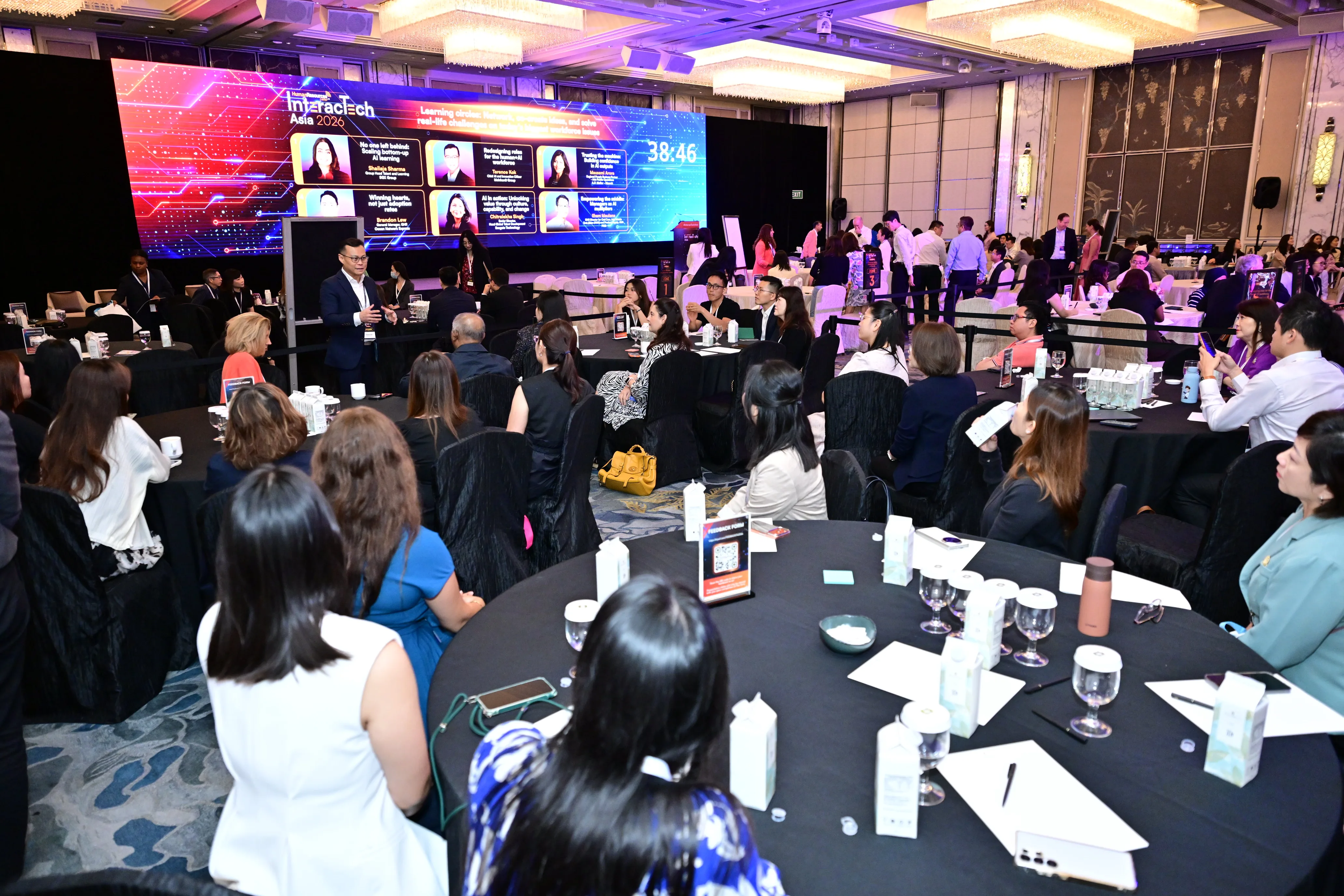
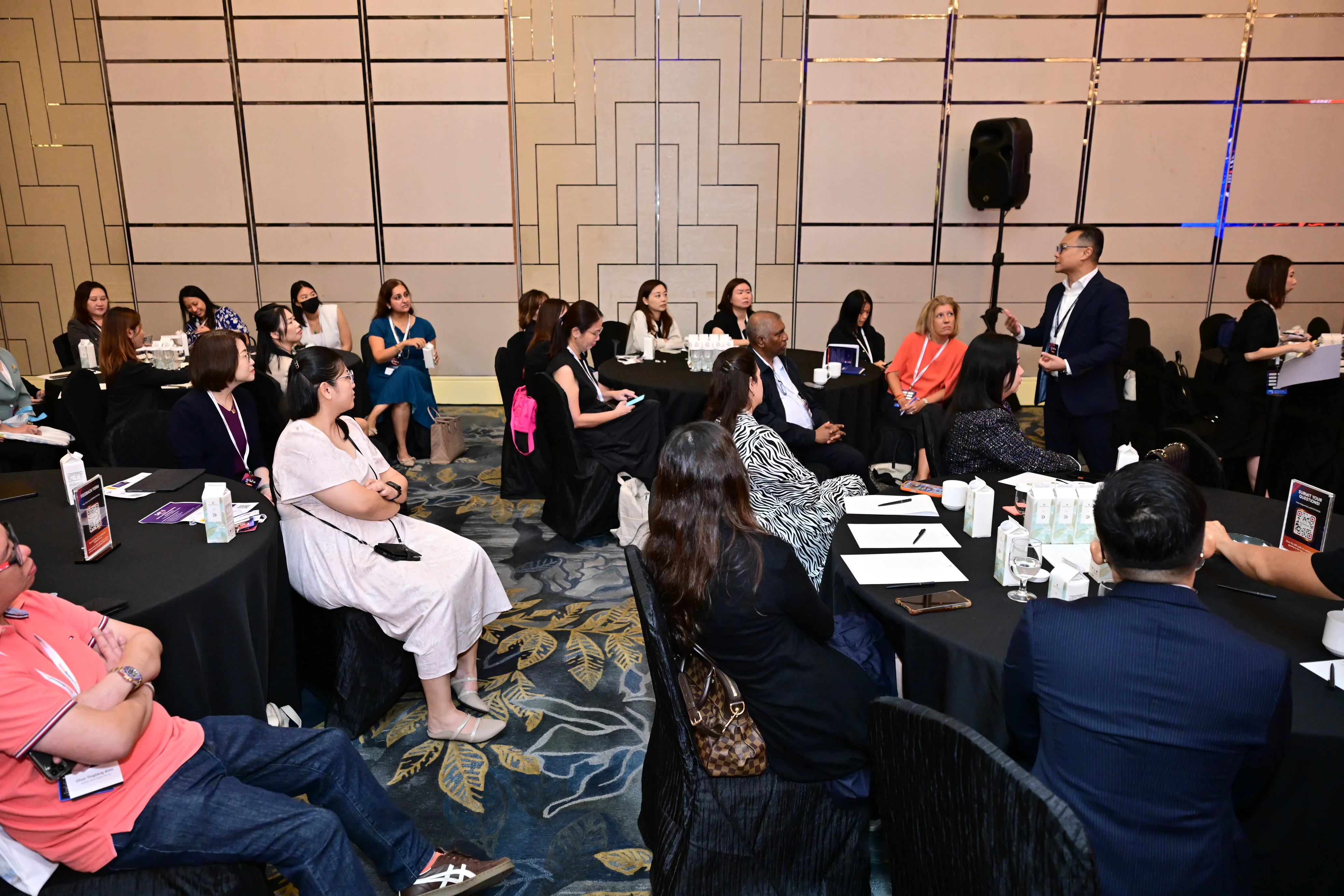
InteracTech Asia 2026
AI in HR: From Hype to Practical Deployment | Panel Discussion on the Future of Talent, Leadership and Organisational Design
Moderated the AI-in-HR seminar for an audience of HR directors and people leaders. A consistent theme emerged across the room: organisations are not struggling with AI technology. They are struggling with AI organisation. Key threads: governance and documentation becoming make-or-break; uneven pace of adoption at leadership level; the case for a central AI and HR function; and measurement as the gap that turns pilots into permanent programmes.
View speaker listing →Pan Pacific Singapore
CDOTrends
9th Chief Digital & Data Officer Asia Summit
The Hunt for Resiliency: Attaining Digital Sovereignty in a Fast-Changing World
Panel alongside executives from Keppel, Danone, and Kenvue, moderated by Tiger Analytics. The central argument: digital sovereignty is no longer just about where data sits. It now spans infrastructure, platforms, applications, and the dependencies embedded in AI models and services. Resiliency must be designed upfront, not retrofitted. AI introduces a new layer of supply chain risk that most governance frameworks have not yet addressed.
View event page →Singapore
ConfX Global
Conversational AI Innovation Summit 2026
From Pilot to Production: Scaling Generative AI with RAG, Graph RAG, and Return on Employee
Keynote on the practical transition from standard Vector RAG to Graph RAG, arguing that standard RAG processes documents in isolated chunks and fails on complex multi-document reasoning, while Graph RAG maps entity relationships to achieve above 97% accuracy. Introduced Return on Employee as the correct unit of measurement for AI value in knowledge work, with a production example: six weeks of heavy document review reduced to days.
Singapore
AIM Media
CDO Vision Singapore
CDO Vision Award 2026Governing AI Agents at Scale: Lessons from National Infrastructure Programmes
Invite-only forum of 31 senior data and AI leaders. Received the CDO Vision Award recognising excellence in data and AI leadership, alongside recipients from DBS, SGX Group, and JP Morgan Chase. Session addressed the governance architecture required when AI agents act across connected systems without human approval at every step. Drawn from national infrastructure deployments in Singapore and the Middle East.
View event page →Singapore
CDOTrends
Chief Digital & Data Officer Asia Summit 2026
From Eight Dimensions to Five: Adapting Enterprise AI Readiness for SME Deployment
Presented the adaptation of an enterprise eight-dimension AI readiness framework into five dimensions practical for SME deployment, covering data readiness, process definition, governance structure, team capability, and measurement architecture. The argument: most readiness frameworks are built for organisations with dedicated AI teams; this session gives leaders without that infrastructure a sequenced path from zero to production.
United Nations ESCAP, Bangkok, Thailand
AIFOD · UN ESCAP
AI for Developing Countries Forum Winter Summit
UN ForumAI Governance Frameworks for Developing Nations: Lessons from Smart City and Critical Infrastructure Deployments
Main plenary moderator at the 150-nation summit hosted at the United Nations Conference Centre. Framed AI governance as a "plumbing effort," requiring data observability, traceability, and auditability before any model is deployed. Advocated for sovereign knowledge bases built on RAG so developing nations can create domain-specific AI that reflects their own culture, language, and institutional context rather than importing foreign models. The forum's key warning: a 12 to 18 month window exists to establish foundational governance standards before path dependency sets in.
View speaker profile →Bangkok, Thailand
AIFOD
AI for Developing Countries Forum
AI Governance Frameworks for Resource-Constrained Organisations
Earlier forum in the AIFOD series, preceding the February 2026 UN summit. Focused on governance implementation for organisations without enterprise-scale IT infrastructure, with practical frameworks for governments and businesses in emerging markets deploying AI under significant data, budget, and talent constraints.
Singapore
Urban Land Institute (ULI) Singapore
ULI Singapore Annual Conference 2025
Bits to Bricks | Tech is Not the Future: It's the Now | Panel on AI, digital twins, and smart infrastructure transforming the built environment
Panel at the 2025 ULI Singapore Annual Conference addressing how the digital revolution is meeting the built environment head-on. The session examined the cultural, regulatory, and operational shifts needed for a risk-averse industry to move from experimentation to adoption, covering AI and digital twins, smart infrastructure, and what is at stake for real estate and urban development if the sector does not act. Co-panellists: Dennis Huang (Managing Director, MytePro Technology), Su Min Ling (COO & Chief Transformation Officer, SJ Group), David Tan (Assistant Chief Executive Officer, JTC). Moderated by Ian Loe, Managing Director, Group Digital and Technology, Frasers Property.
Raffles City Convention Centre, Singapore
Cxociety · C-Engage
FutureCIO Conference 2025 (6th Annual)
The Reality Check of GenAI Adoption | Panel Discussion on closing the gap between proof-of-concept and measurable enterprise value
Panel of 400+ senior IT leaders addressing why at least 30% of GenAI projects are abandoned after proof of concept. Co-panellists: Deepak Sarda (CTO, Endowus), IBM Advisory, Siemens Healthineers; moderated by Allan Tan, Group Editor-in-Chief, Cxociety. The session examined expectations versus reality, how to assess GenAI model maturity, and what measurement infrastructure must be in place before claiming business value.
View event page →Kuala Lumpur, Malaysia
Economic Research Institute for ASEAN and East Asia (ERIA)
ASEAN Sustainable Urbanisation Forum 2025
Advancing SDGs through Digital Twin Innovation | Innovative approaches in the application of digital twins for deep sustainability
Speaker at the ERIA training session held alongside the ASEAN Governors and Mayors Forum (AGMF) and the Meeting of Governors and Mayors of ASEAN Capitals (MGMAC). Presented Singapore's case studies on the deployment of digital twin technologies in an integrated multidisciplinary environment, examining the role of digital twins in accelerating progress towards SDG 11 (Sustainable Cities and Communities). Key discussion themes: trust and transparency in data governance frameworks, system interoperability for long-term scalability, citizen engagement in co-designed urban solutions, and building inclusive innovation ecosystems for peer learning among ASEAN cities.
Singapore
Delta Electronics Southeast Asia & Oceania
Delta Future Forward 2025
Integrated Solutions for a Resilient Tomorrow | Panel Discussion on digitalisation, automation, and energy efficiency reshaping infrastructure for a low-carbon future
Panel at Delta Electronics' flagship Southeast Asia forum exploring how smart infrastructure, industrial automation, and energy efficiency converge in the path to net zero. Co-panellists included leaders from across the built environment and energy sectors. The discussion centred on bridging the gap between sustainability ambition and operational deployment, and the role AI plays in making energy systems measurable, governable, and continuously optimising.
Devan Nair Institute, Singapore
ST Logistics (SkillsFuture Queen Bee)
ST Logistics Supply Chain Sustainability Masterclass
Implementing Singapore's Green Plan 2030 and Managing Scope 1-3 Emissions | Sustainability transformation roadmap for SMEs
Speaker at the ST Logistics Supply Chain SFQB Masterclass Series, bringing together some 40 SME professionals at the Devan Nair Institute. As part of ST Logistics' SkillsFuture Queen Bee initiative, the session equipped supply chain businesses with a practical sustainability roadmap, covering Singapore's Green Plan 2030, Scope 1-3 emissions management, solar adoption, ESG reporting, and strategies for embedding sustainability across operations. NTUC LearningHub contributed an end-to-end sustainability training framework for businesses ready to take the next step.
Jakarta, Indonesia
Economic Research Institute for ASEAN and East Asia (ERIA)
ERIA Digital Twins for Deep Sustainability: Inception Meeting
Digital Twin Technologies for Smart Cities | Case Studies from Singapore, Japan, Republic of Korea, and Chicago
Presenter at the ERIA inception meeting for the study on Digital Twins for Deep Sustainability, a hybrid session bringing together 18 international experts, senior researchers, and high-level executives from ASEAN, East Asia, Australia, Europe, and the United States. Presented case studies on how digital twin technologies in Singapore, Japan, the Republic of Korea, and Chicago demonstrate the ability to optimise city operations and predict human behaviour, paving the way for more resilient urban systems. The study explores opportunities and challenges in leveraging digital twins for advancing Smart Cities and achieving the UN SDGs, with a focus on infrastructure planning, disaster management, and climate resilience.
View event recap →Salalah, Oman
Oman Society of Engineers · Ministry of Housing and Urban Planning
3rd Salalah Engineering Forum
Smart, Sustainable and Resilient Cities: AI-Enabled Urban Innovation and Infrastructure
International keynote at the conference organised by Dhofar Municipality and the Oman Society of Engineers, addressing government officials, engineers, and urban planners on AI-enabled infrastructure development for Oman and the wider Gulf region. Covered smart city architecture, sustainable transportation integration, and the design principles for infrastructure that remains governable and auditable as AI is embedded into operational systems.
Singapore
IMDA (Infocomm Media Development Authority)
IMDA Digital Transformation Industry Day 2024
Unleash the Power of GenAI: Transform Your Enterprise Today | Panel Discussion on building in-house AI capabilities at scale
Panel at Singapore's national digital transformation forum, organised by IMDA, the government body responsible for Singapore's digital economy. Addressed the strategic case for building in-house AI capabilities rather than full vendor dependency, and the governance practices required when deploying GenAI across enterprise functions at scale.
InterContinental Hotel, Kuala Lumpur, Malaysia
AISC · International Islamic University Malaysia (IIUM)
Asian Inclusive Smart Cities Conference 2023 (AISC 2023)
The Vision of Asian Inclusive Smart Cities in the Post-COVID World | Keynote on smart and sustainable urban infrastructure transformation
Keynote speaker at the 3rd Conference of AISC, an international forum open to universities, research institutions, government agencies, practitioners and others shaping smart cities and urban-rural development across Asia. Presented Meinhardt's portfolio of smart city projects spanning Saudi Arabia, India, Malaysia, and Singapore, examining how inclusive urban design, smart infrastructure, and sustainable development frameworks converge in the post-COVID city-building agenda.
View event page →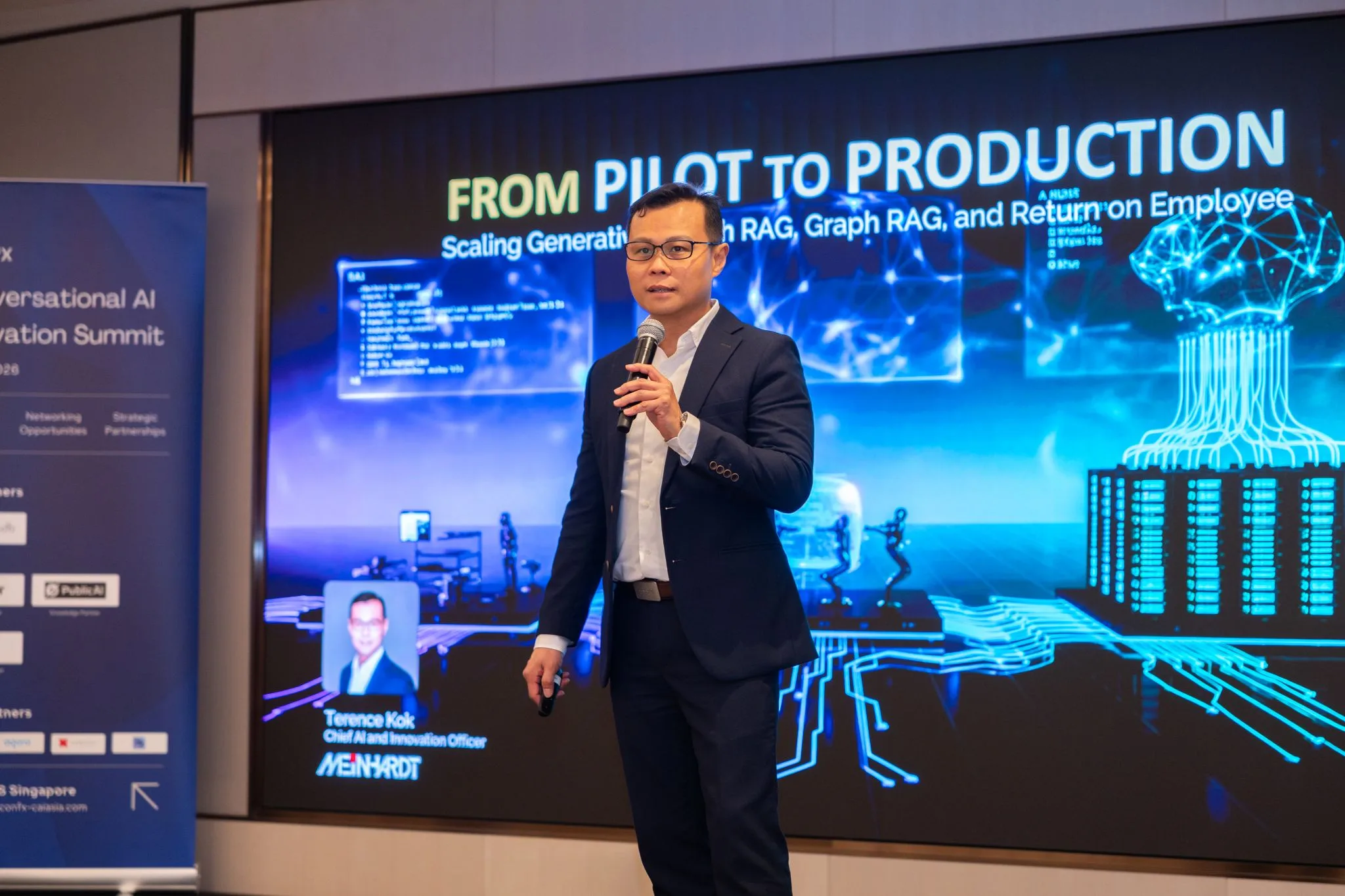
Apr 2026 · Singapore
Conversational AI Innovation Summit 2026
May 2026 · Singapore
InteracTech Asia 2026
May 2026 · Singapore
InteracTech Asia 2026: AI in HR
2025 · Singapore
Smart Nation Digital Infrastructure Panel
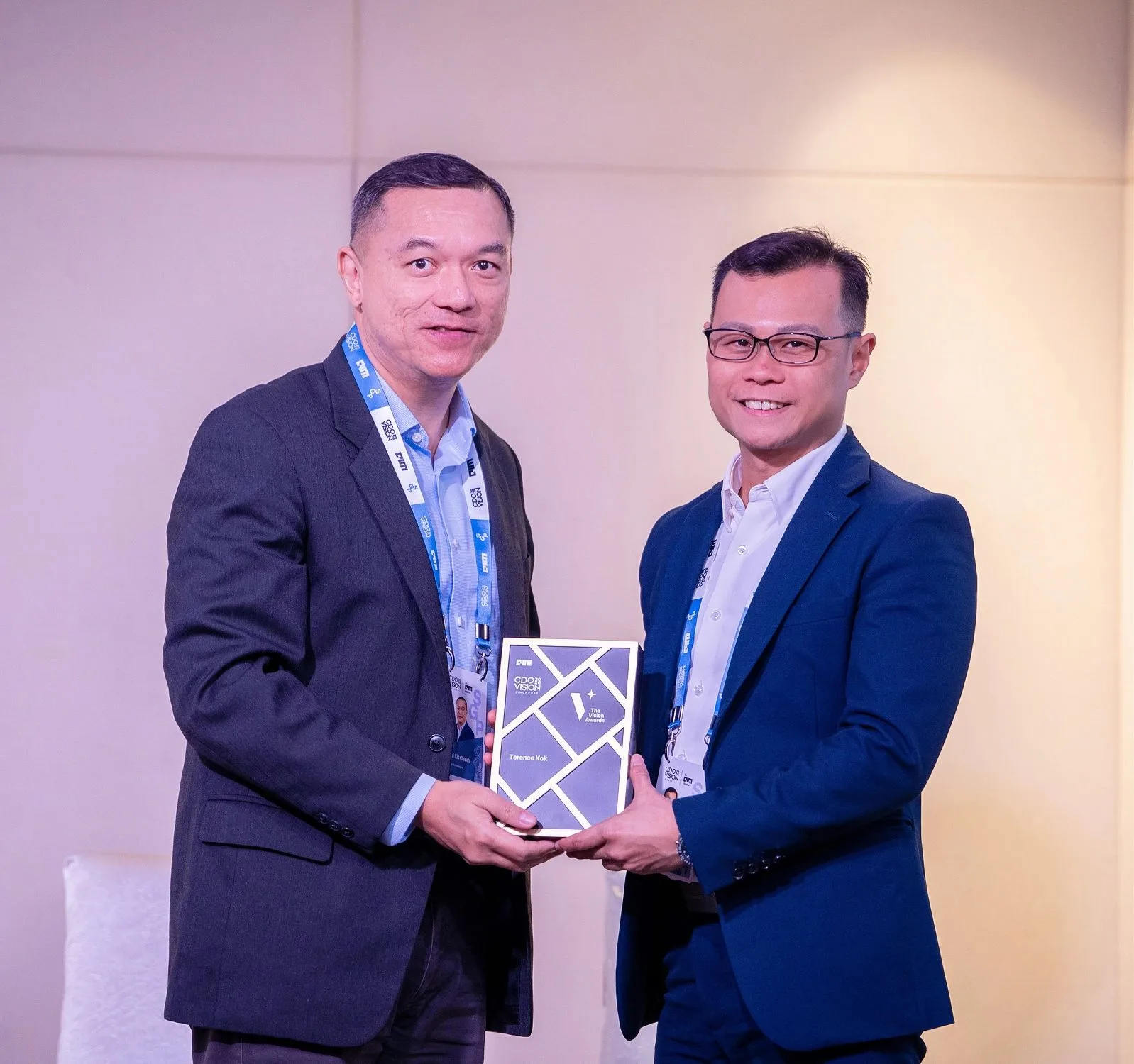
Apr 2026 · Singapore
CDO Vision Award Ceremony 2026
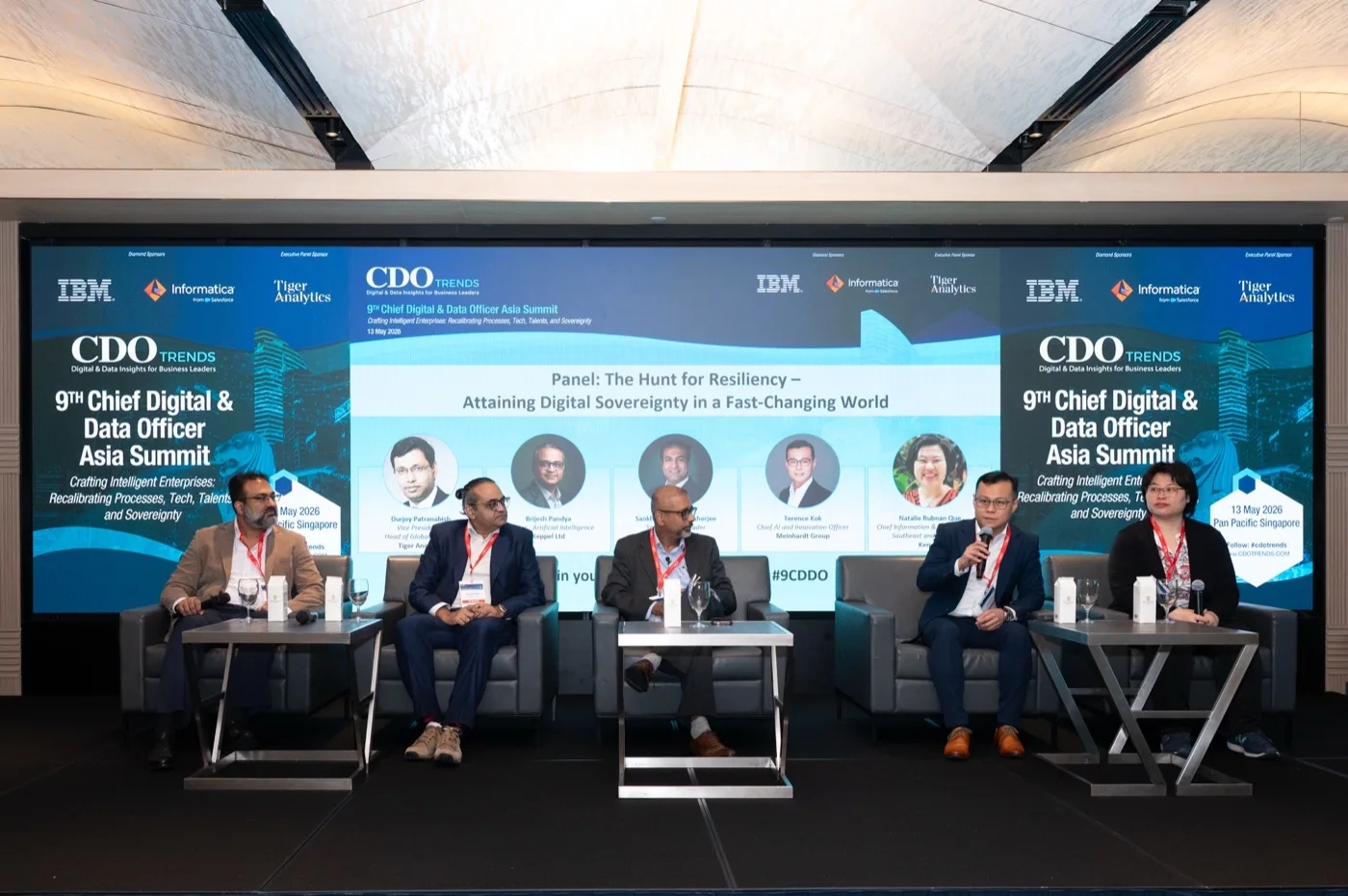
May 2026 · Pan Pacific Singapore
9th Chief Digital & Data Officer Asia Summit
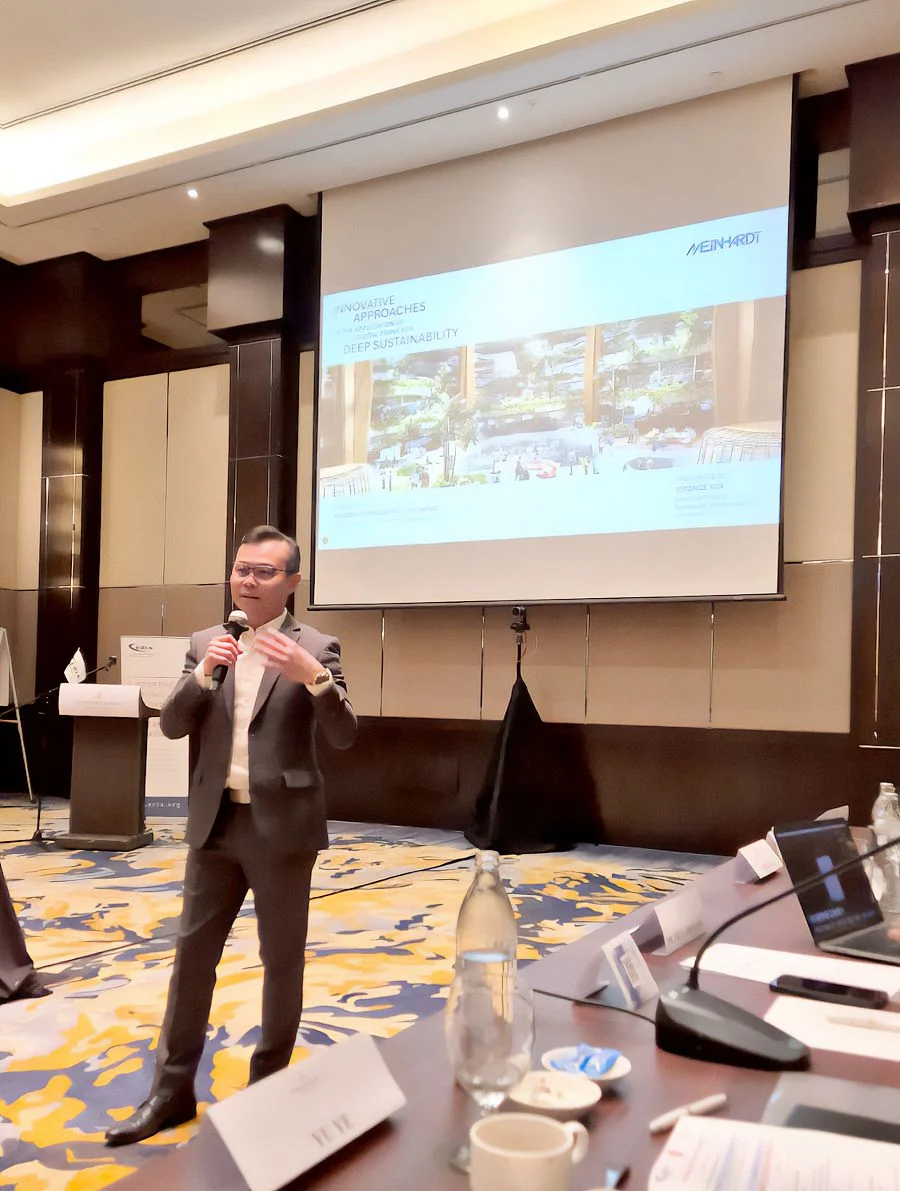
Aug 2025 · Kuala Lumpur
ASEAN Sustainable Urbanisation Forum 2025
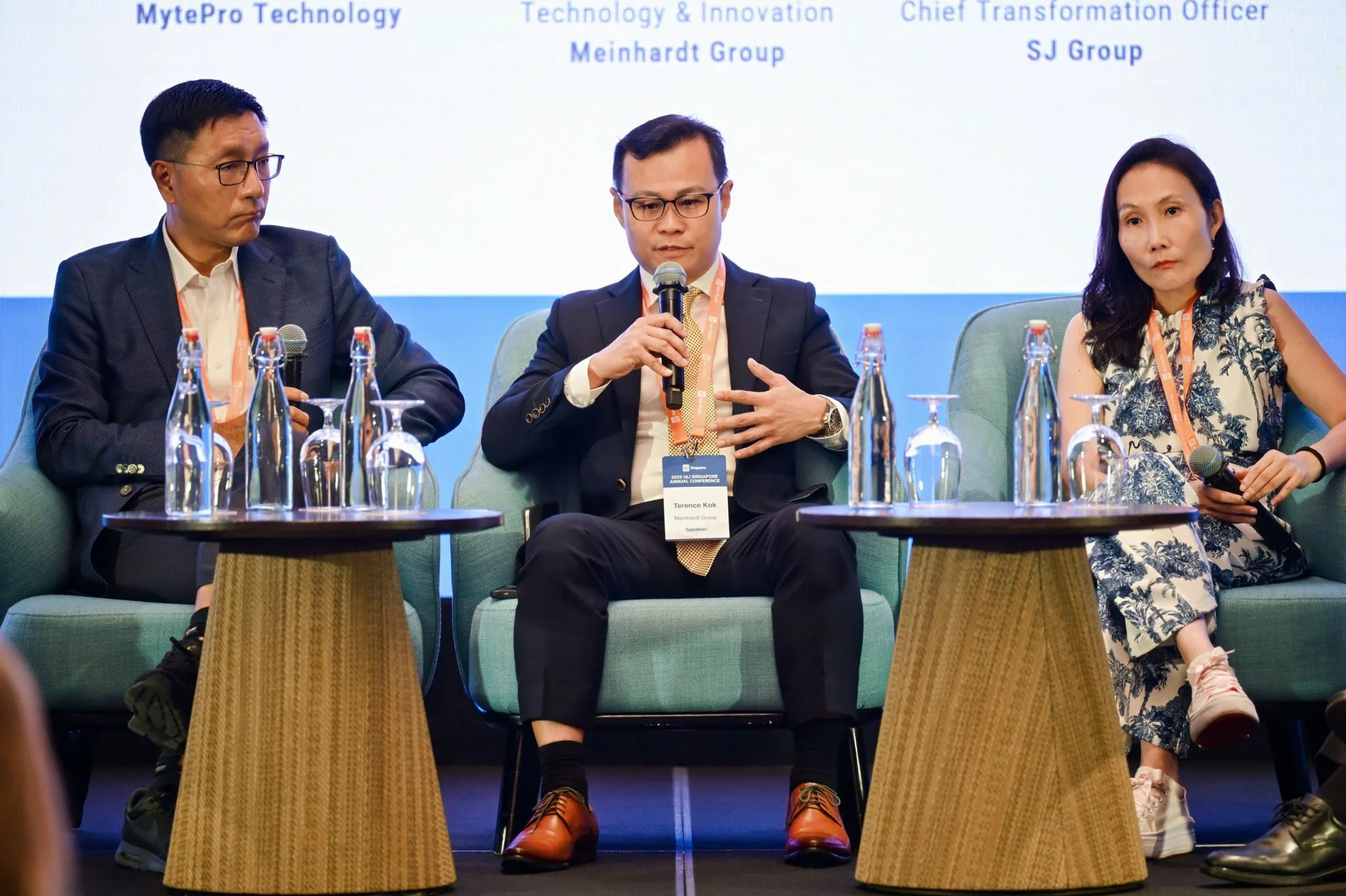
Sep 2025 · Singapore
ULI Singapore Annual Conference 2025
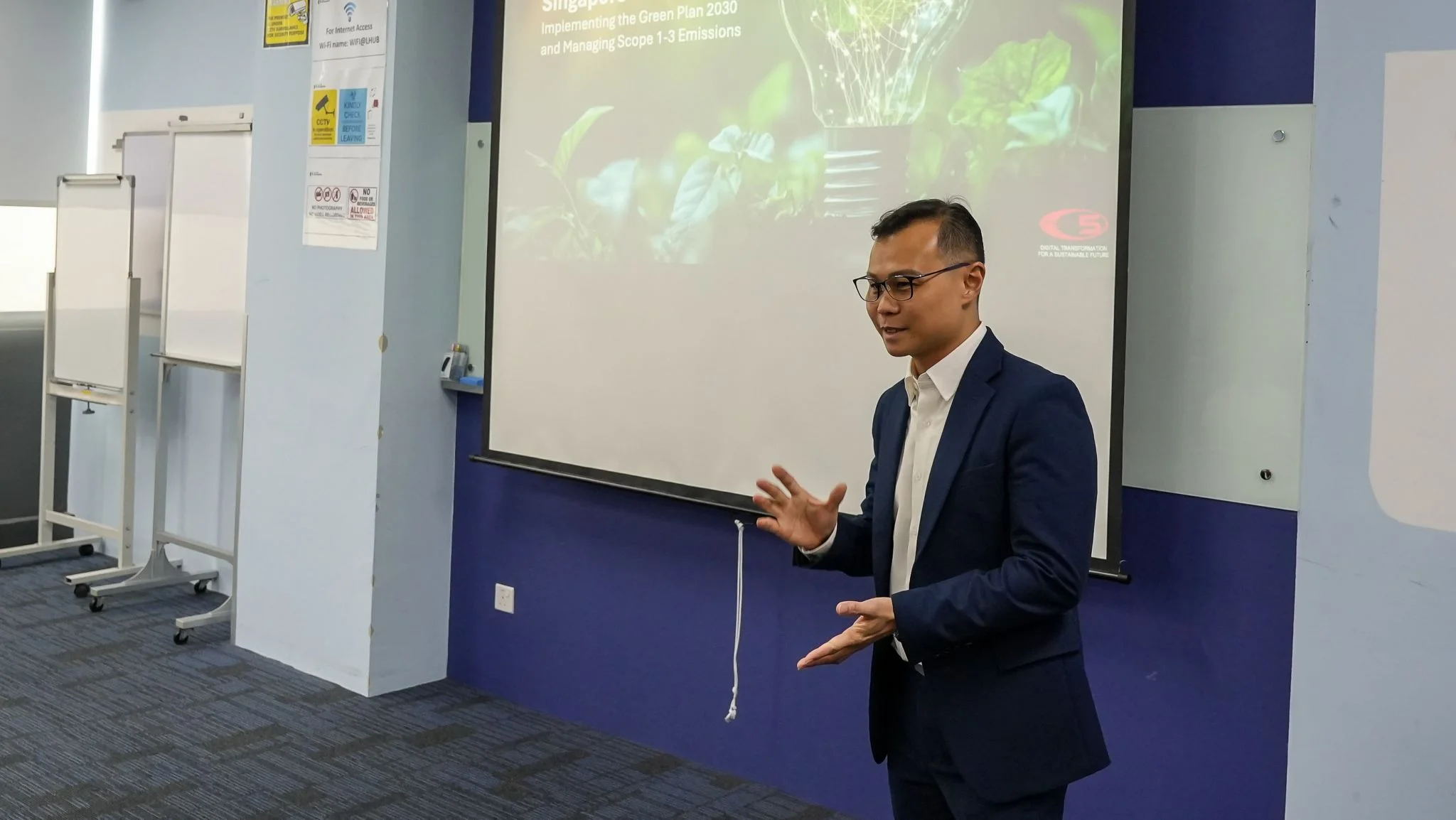
Jun 2025 · Singapore
ST Logistics Sustainability Masterclass
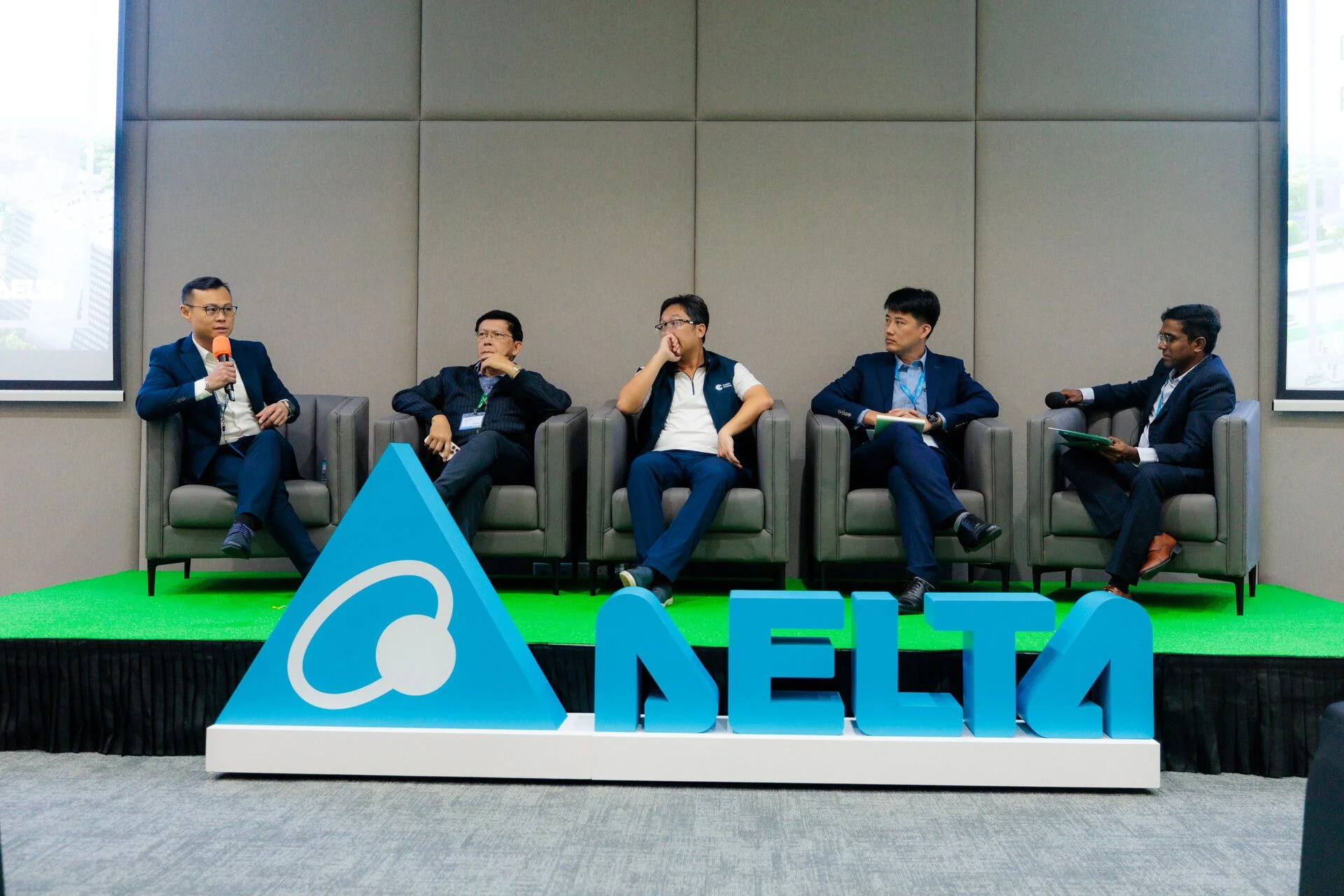
Aug 2025 · Singapore
Delta Future Forward 2025
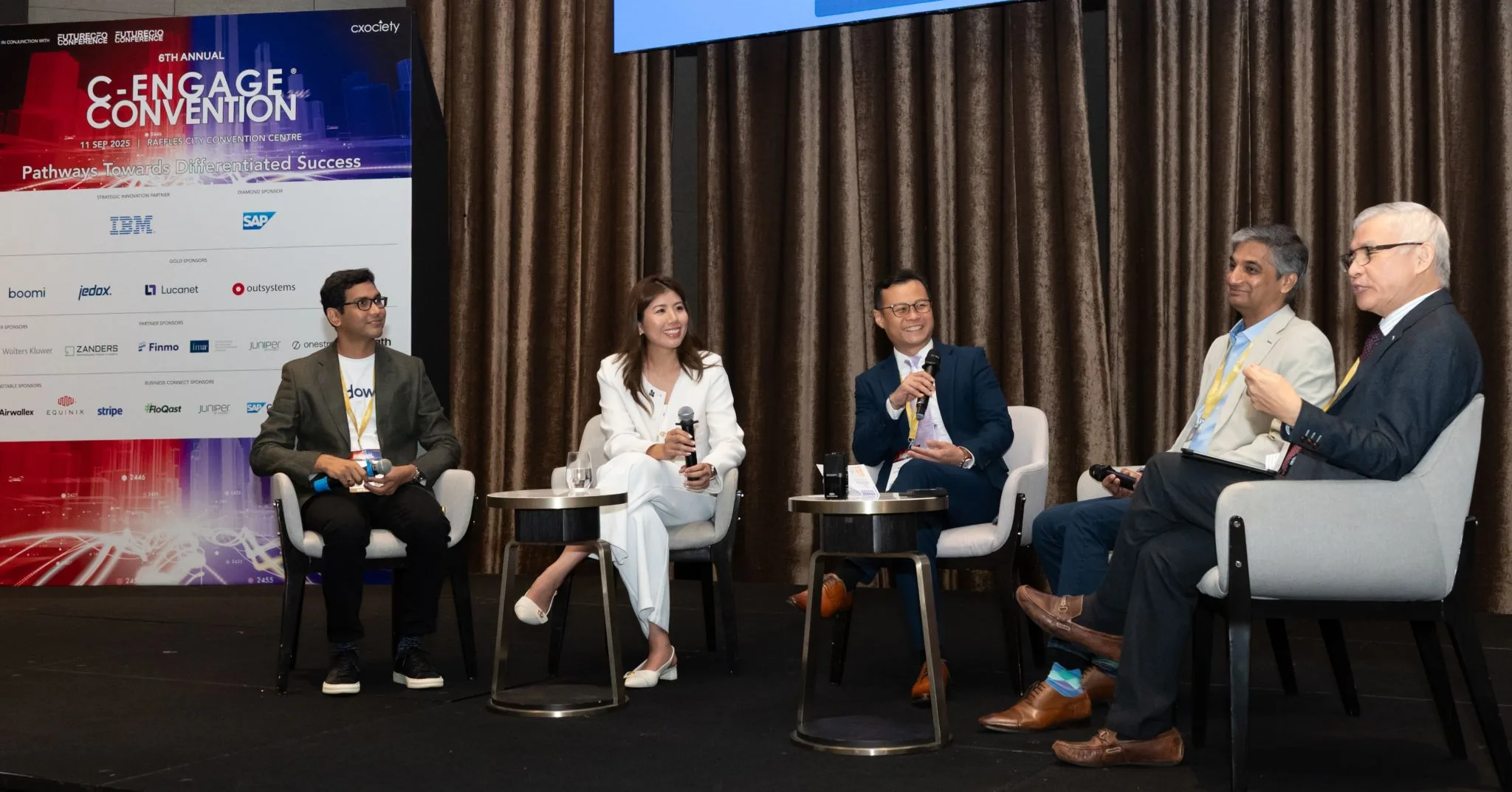
Sep 2025 · Singapore
C-Engage Convention 2025
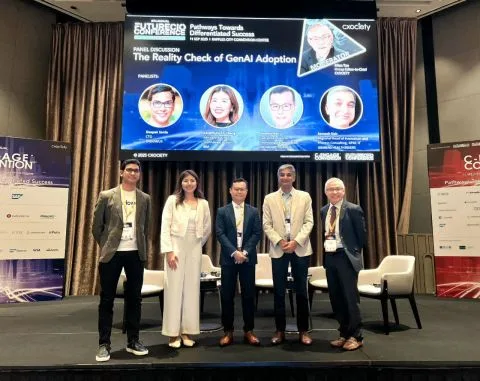
Sep 2025 · Singapore
FutureCIO Conference 2025
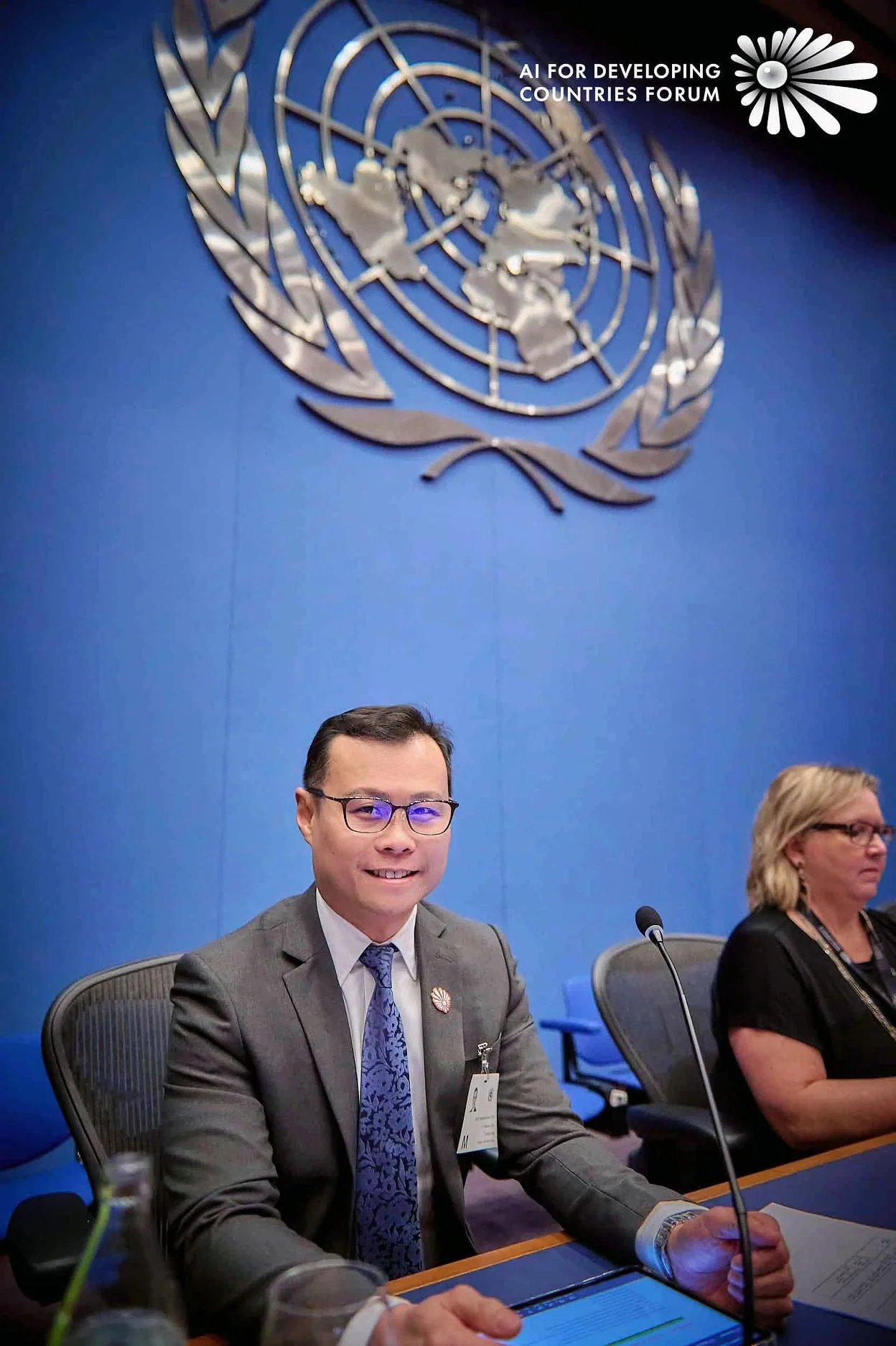
Feb 2026 · Bangkok (UN ESCAP)
AI for Developing Countries Forum
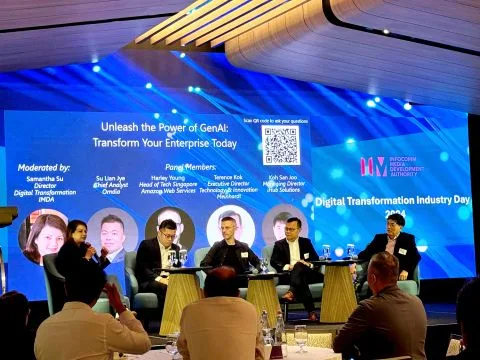
2024 · Singapore
IMDA Digital Transformation Industry Day
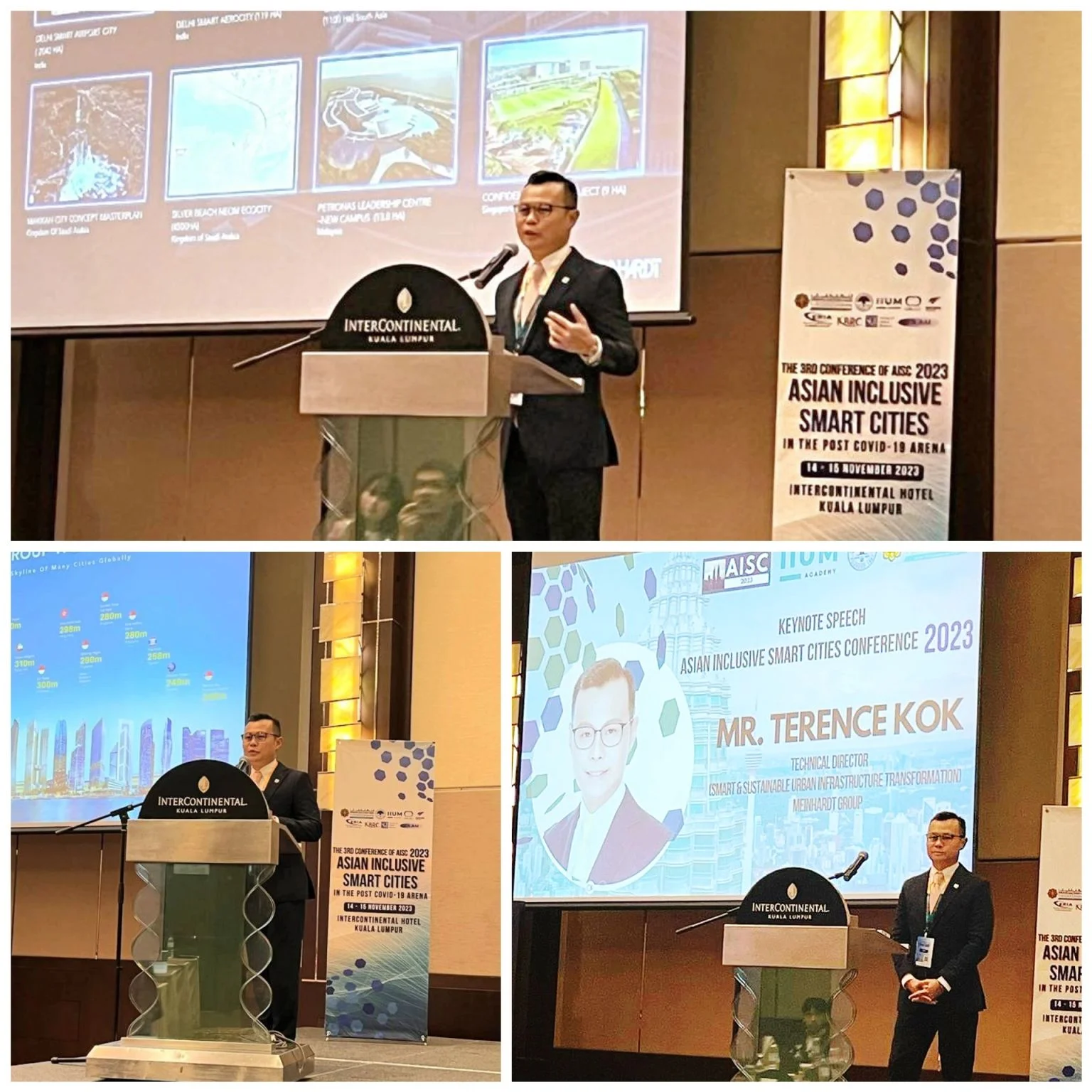
Nov 2023 · Kuala Lumpur
Asian Inclusive Smart Cities Conference 2023
Bring this perspective to your event.
I'm available for keynotes, panels, moderation and closed-door briefings in Singapore, across Asia and in the Middle East. You will hear back within one business day.
Download the speaker one-sheet.
Bio, topics, and booking details in a single printable profile.
View speaker kit →
The talks on this page are the same thirty minutes, reshaped for whichever room I'm in, because what lands in Dubai doesn't always land in Singapore. What I enjoy is the five minutes after, when someone tells me the one thing that's kept them up at night and we work through it standing at the side of the stage. If you've got a question like that, you don't need to wait for an event. Ask it.
