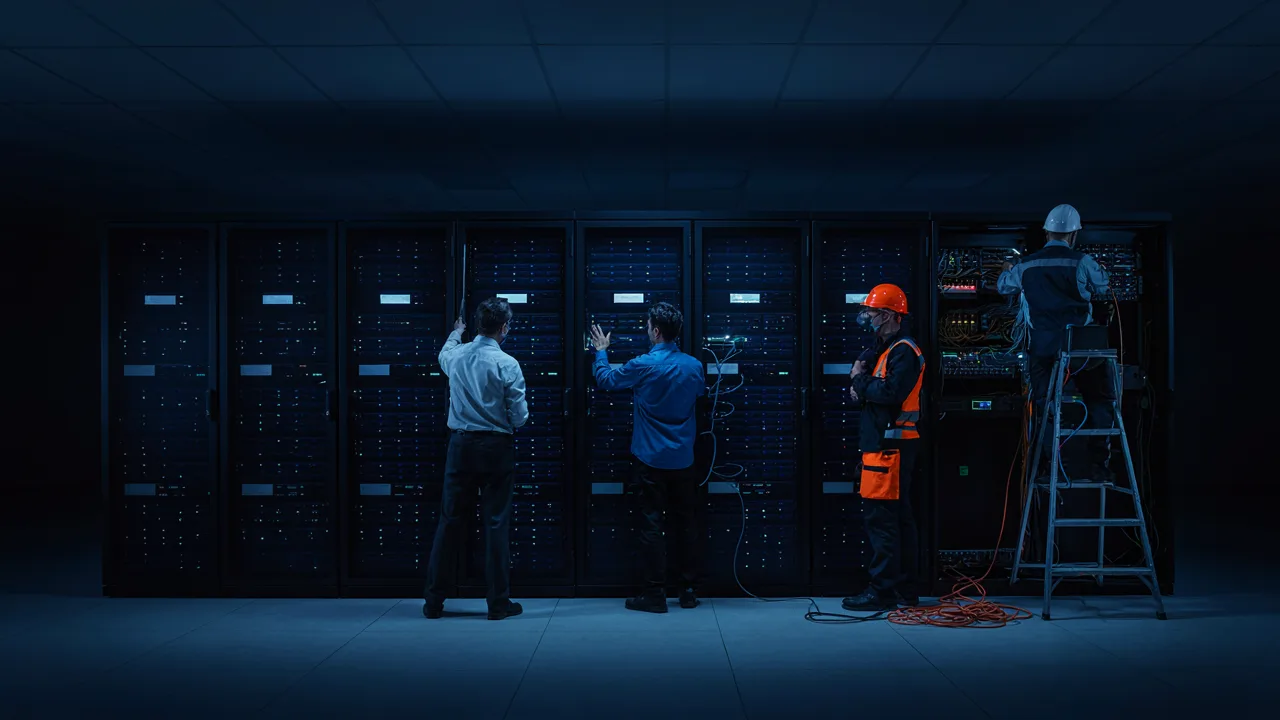
Listen to this framework
How Layer 8 Safeguards Enterprise AI
Governed Cognitive Layer (Layer 8)
First set out in The Governed Cognitive Layer: What Enterprise AI Needs Beyond OSI’s Seven Layers, with the engineering detail in Layer 8 in Practice. Written for the architects and boards deciding where a model is allowed to act on production systems.
Corporate technology has run on a seven-layer model for fifty years, and the model worked because software was deterministic: a given input produced the same output every time. Large language models break that assumption. They process meaning, not rules, and their output is a probability. Connecting that output directly to an ERP, a database or a payment system puts an unverified inference in charge of production data.
Layer 8 is the governed cognitive layer that sits between the two. It ingests unstructured goals, reasons through a path, and hands Layer 7 a precise, policy-checked command it can execute safely. Deploying it is an organisational-guardrail decision before it is an engineering one.
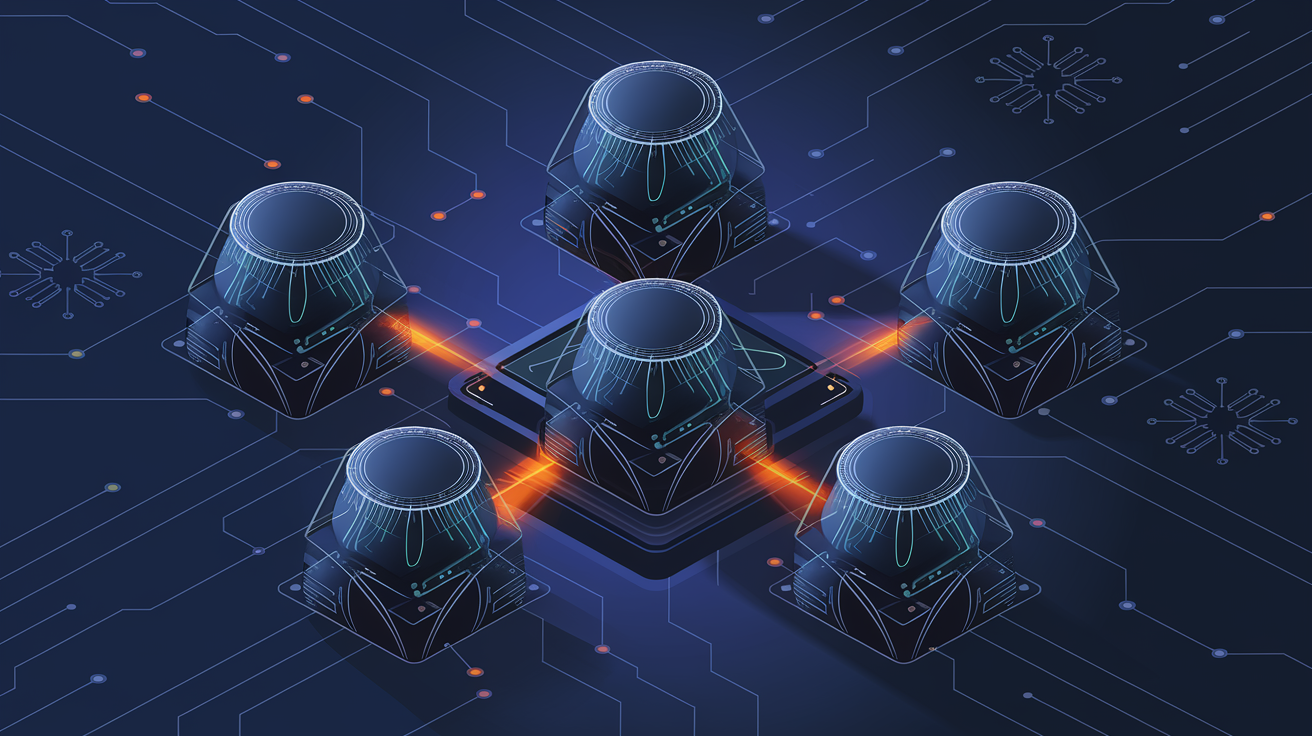
Semantic router (intent sorting)
Every request is classified by complexity and intent before anything else happens. Routine work is sent straight to conventional systems and never touches the model, which protects latency, cost and the audit trail at once. The routing threshold is measured against a labelled sample.
Failure it prevents: an expensive, slow, non-deterministic path handling work a lookup would have done correctly.
Reasoning loop
For work that does need the model, the layer plans, checks the plan against corporate reference material, refines it, and only then proposes an action. Short-term working context is kept separate from long-term memory so that one conversation cannot rewrite what the system believes.
Failure it prevents: a single unfiltered response acting as if it were a verified decision.
Deterministic guardrail check
The mandatory inspection point, written in ordinary deterministic code rather than delegated to another model. Every output is tested against legal, security and data-privacy policy before it reaches a business system, on the inbound side (prompt injection, data exfiltration attempts) and the outbound side (policy, disclosure, action scope). Failures are blocked or escalated to a named human.
Failure it prevents: a plausible, well-reasoned output that is nonetheless outside policy reaching production.
| Dimension | Layer 7 · Application | Layer 8 · Governed cognitive |
|---|---|---|
| What it processes | Structured data: records, exact strings | Unstructured context: conversation, documents, audio |
| How it decides | Rigid logic, predetermined path | Heuristic reasoning over probabilities |
| Behaviour | Fixed and uniform | Adaptive to context |
| Primary risk | Bugs, crashes, data-entry errors | Semantic drift, wrong reasoning, data leakage |
| Quality metric | Uptime, speed, precision | Intent fulfilment, policy alignment, compliance |
| Cost profile | Static and predictable | Variable with the complexity processed |
Placement rule: Layer 8 trades latency and cost predictability for reasoning quality. Deploy it on decision support, complex analysis and work that needs judgment over unstructured context. Keep instantaneous transaction paths deterministic. When it fails there is no broken line of code to point to, so quality assurance becomes statistical: measure how closely output aligns with policy ground truth, track it over time, and keep the guardrail check as the one deterministic gate.
Reproduce the diagram and text with attribution for non-commercial use. For use in a tender, board paper or training material, get in touch; permission is normally a formality.
This is a personal site. The views, frameworks and publications here are my own analysis. They do not speak for Orion Five Engineering or any past employer or client, and they do not draw on the confidential information, data or proprietary methods of any of them.
The free tool scores you. The paid formats put the framework to work on your own programme, with me in the room.
What is Layer 8 in enterprise AI?
A governed cognitive layer that sits above the seven OSI layers. Layer 7, the application layer, runs deterministic software: same input, same output. Layer 8 handles probabilistic reasoning from large language models and translates it into commands that Layer 7 can execute safely, with a deterministic guardrail check in between.
Why not connect the model directly to the business systems?
Because a model’s output is a probability, not a rule. Connecting it straight to an ERP, a database or a payment system means an unverified inference can act on production data. Layer 8 puts a semantic router, a reasoning loop and a deterministic policy check between the model and the systems it acts on, and logs every step.
Where should Layer 8 be deployed, and where not?
On decision support, complex analysis and work that benefits from reasoning over unstructured context. Not on instantaneous transaction processing: the reasoning loop adds latency and the cost varies with the complexity of what is processed, so real-time paths should stay deterministic.
How is quality measured when there is no line of code to inspect?
Statistically. The output is compared to a policy ground truth, for example by measuring the alignment between the two, and the confidence that the reasoning stayed on policy is tracked over time. Quality assurance shifts from engineering verification to risk management, and the guardrail check remains a deterministic gate regardless.
 01
01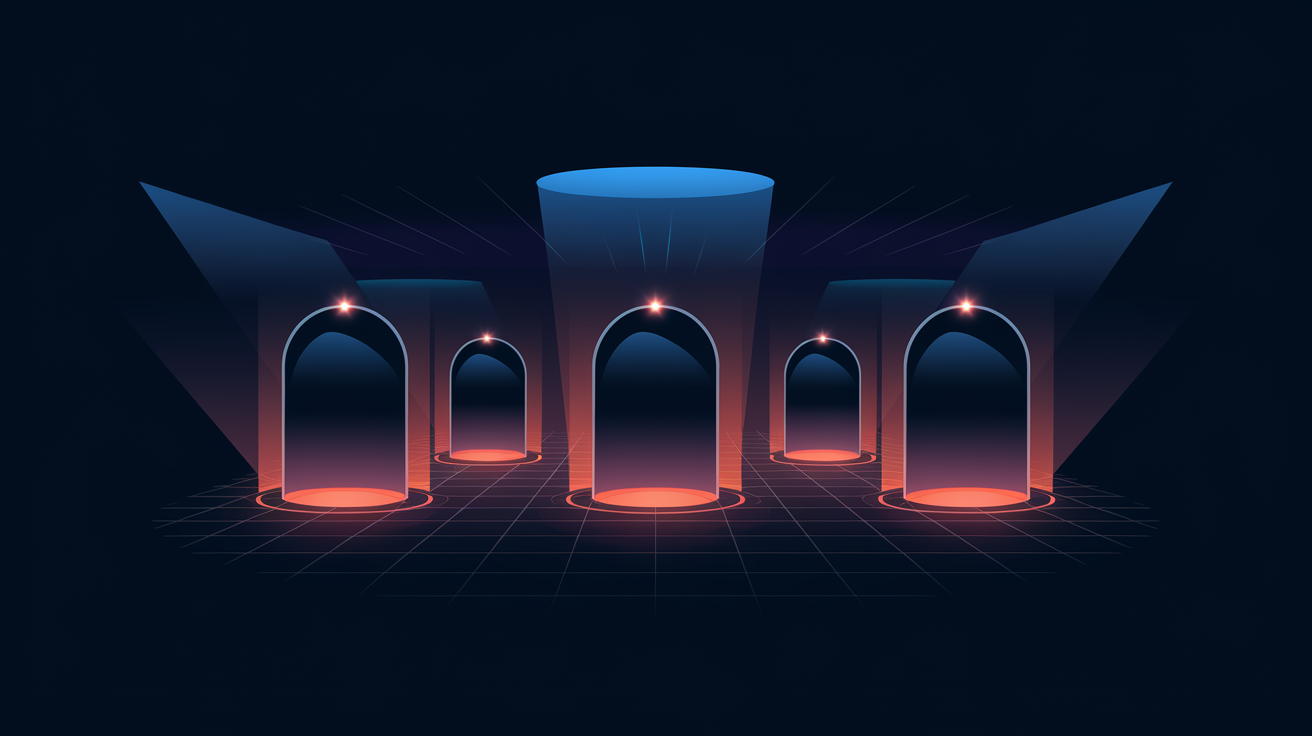 02
02 03
03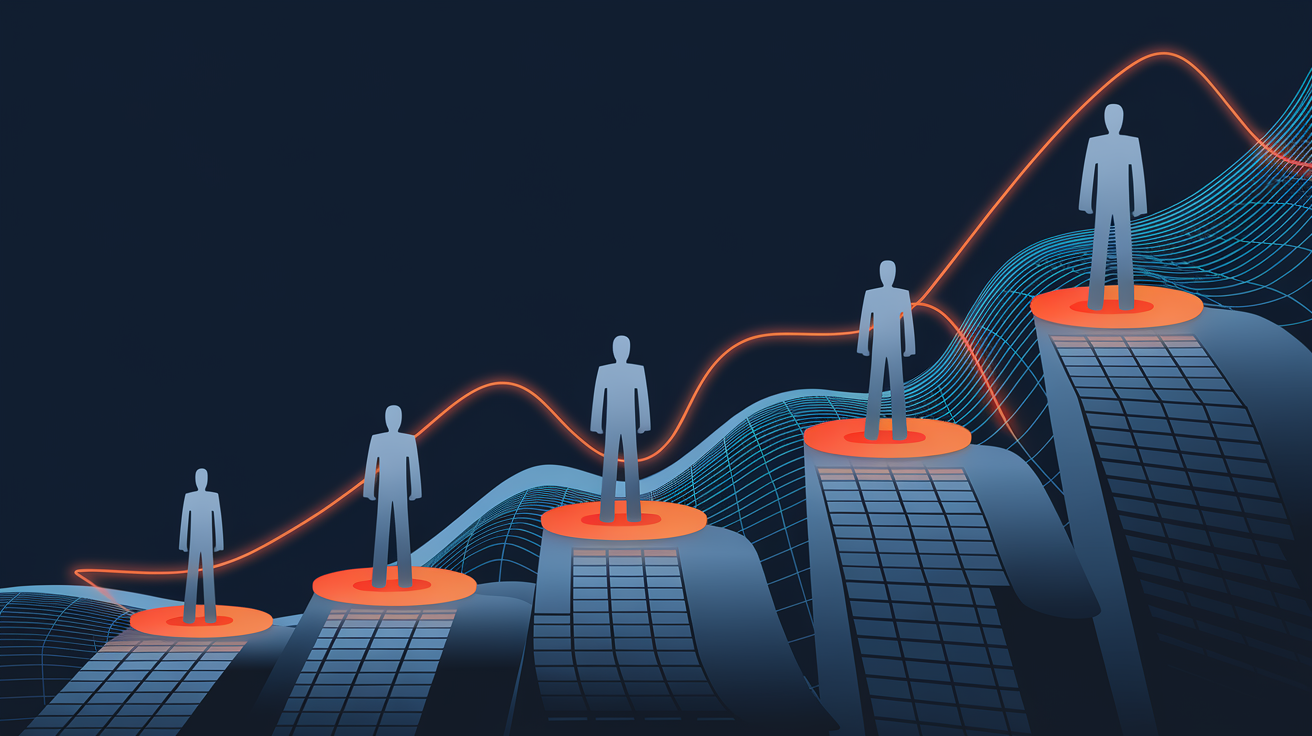 04
04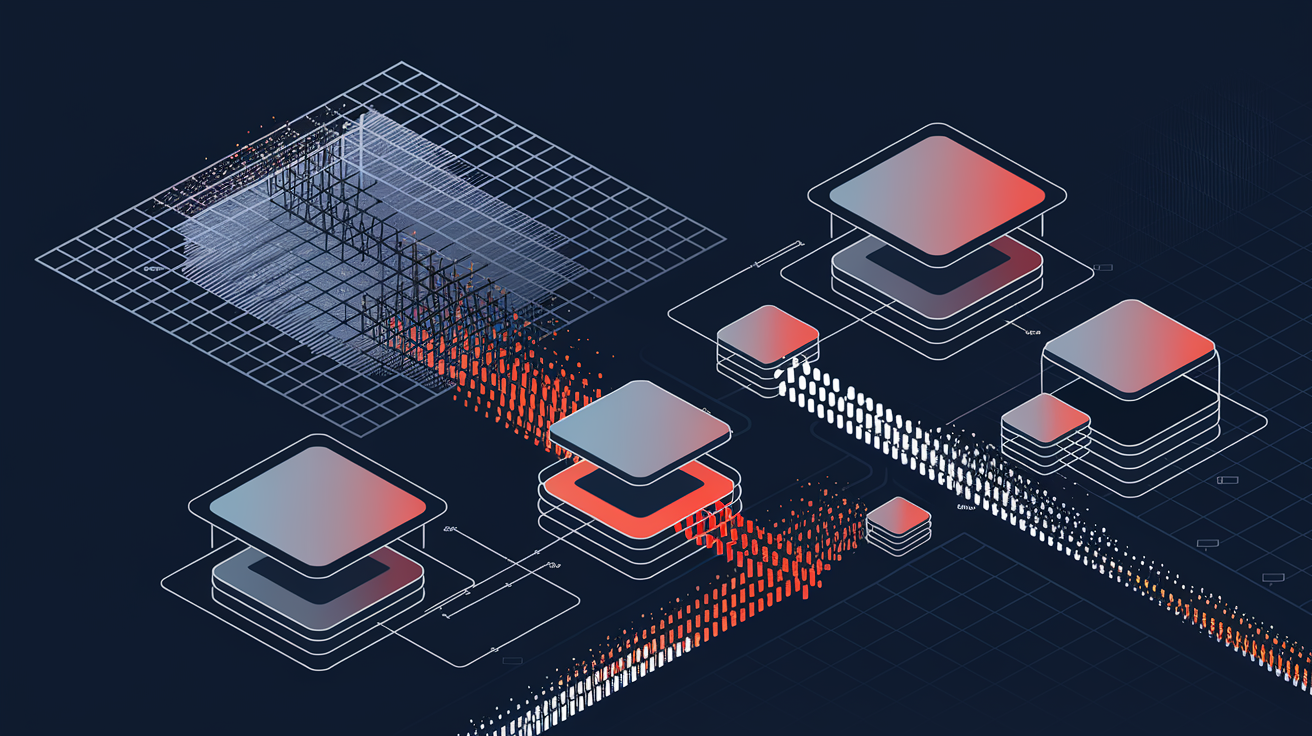 05
05
I named this Layer 8 half as a joke at first. Engineers already use that phrase for the human at the keyboard, and I liked borrowing it for the layer that has to reason like one. The serious point is that naming a thing badly makes it hard to govern, and naming it well gives a whole team the same mental model in one sitting. When a board asks where the AI's decisions get checked, I want an architect to be able to point at one box on one diagram. This is that box.
